In today’s fast-paced world, smartwatches have evolved from mere gadgets into indispensable companions, seamlessly blending technology with personal style and well-being. Whether you’re a fitness enthusiast, a busy professional, or simply looking to stay connected on the go, a smartwatch can enhance your daily life in countless ways. But with a dizzying array of options and places to buy them, how do you navigate the landscape of smartwatch shops to find the ideal device for you? This guide will walk you through everything you need to know, from understanding what a smartwatch offers to choosing the best place to make your purchase.
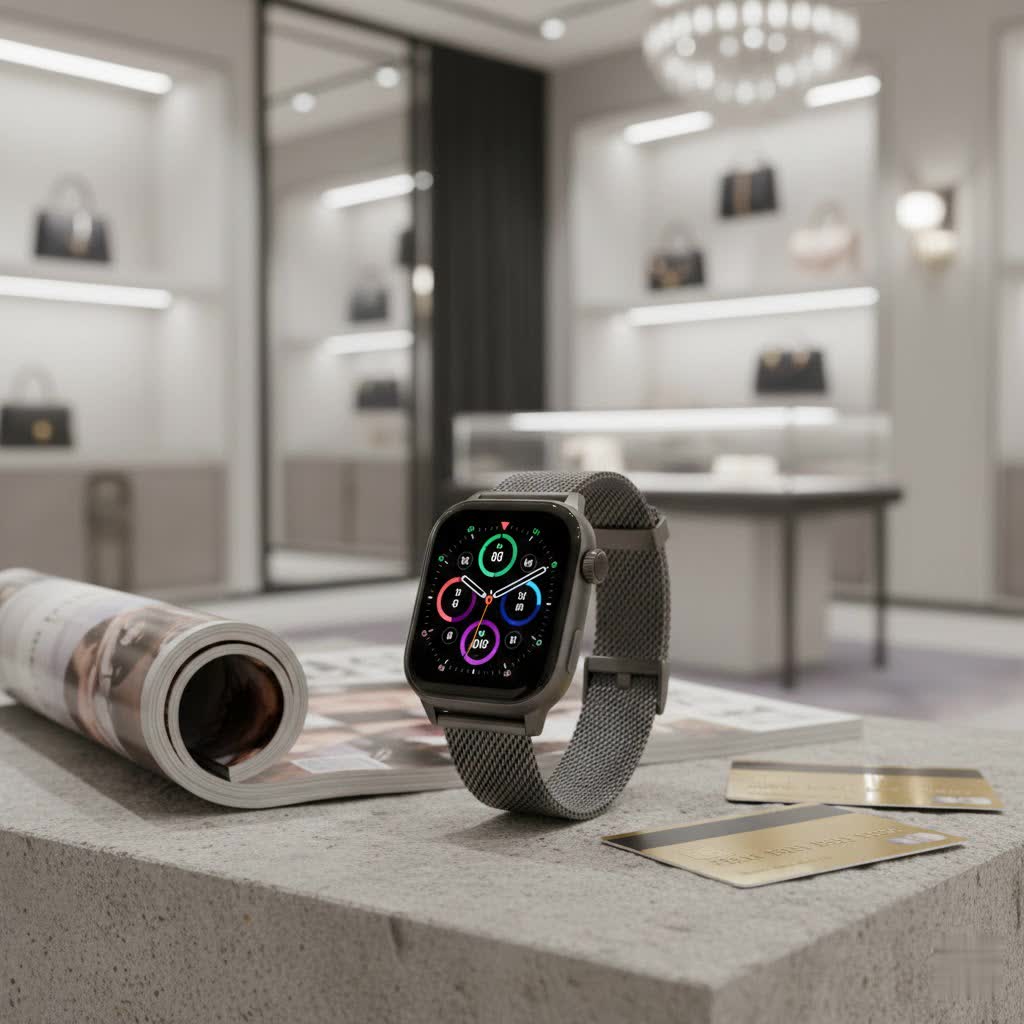
What is a Smartwatch? An Overview of the Market
A smartwatch is essentially a wearable computer, often designed in the form of a wrist-worn timepiece, that offers a multitude of features beyond traditional timekeeping. These devices connect to your smartphone, typically via Bluetooth, allowing you to receive notifications, track your fitness, monitor your health, and even make calls directly from your wrist.
The journey of the smartwatch began decades ago, with early digital watches offering basic calculator or data storage functions. However, the modern smartwatch era truly kicked off in the early 2010s, rapidly evolving to incorporate sophisticated sensors, powerful processors, and intuitive operating systems. Today, the market is dominated by major tech giants and specialized wearable brands alike. Apple, with its highly popular Apple Watch series, commands a significant share, known for its seamless integration with the iOS ecosystem. Samsung’s Galaxy Watch line offers a compelling alternative for Android users, often featuring stylish designs and robust health tracking. Other prominent brands include Garmin, a leader in fitness and outdoor watches; Fitbit, renowned for its health and wellness focus; and Xiaomi, providing feature-rich options at competitive price points.
Smartwatches can be broadly categorized by their primary use. Sports and fitness smartwatches, like those from Garmin or some Fitbit models, excel in tracking workouts, GPS navigation, and advanced health metrics. Health-focused smartwatches often prioritize features like ECG, SpO2 monitoring, and sleep analysis. Fashion-oriented smartwatches, on the other hand, emphasize design, premium materials, and customization options, often mimicking traditional analog watches while offering smart functionalities.
Essential Criteria for Choosing Your Smartwatch
Selecting the perfect smartwatch involves a careful consideration of various factors to ensure it aligns with your lifestyle and needs.
Design and Size
The aesthetic appeal and comfort of your smartwatch are paramount, as it’s a device you’ll likely wear daily.
- Materials: Smartwatches come in a range of materials, including lightweight aluminum, durable stainless steel, premium titanium, and even ceramic, each offering a different feel and look.
- Watch Face Size: Consider the size of the watch face relative to your wrist. Many models offer different case sizes (e.g., 40mm, 44mm, 47mm) to suit various wrist circumferences.
- Strap Options: Straps are available in silicone (ideal for sports), leather (for a classic look), metal (for elegance), and fabric, allowing for personalization and comfort.
- Water and Dust Resistance: For active individuals or those who want to wear their watch while swimming or showering, look for an IP rating or ATM rating indicating water and dust resistance. Many smartwatches offer 5 ATM or higher, suitable for swimming.
|
Our Picks for the Best Smart Watch in 2026
As an Amazon Associate I earn from qualifying purchases.
|
||
| Num | Product | Action |
|---|---|---|
| 1 | IOWODO Military Smart Watch for Men -100-Day Long Battery Life,Fitness Tracker with LED Flashlight/Compass,Heart Rate Monitor,120+ Sports Modes,IP68 Waterproof,Bluetooth Call Smartwatch for iOSAndroid |

|
| 2 | Green and Red Reindeer Silicone Smart Watch Band with Ornament |
|
| 3 | Smart Fitness Tracker with Step Counter - Bluetooth Calling & 100+ Exercise Modes for Health Monitoring - Perfect for Fitness Lovers and Runners |
|
| 4 | Fitbit Charge 6 Fitness Tracker with Google apps, Heart Rate on Exercise Equipment, 6-Months Premium Membership Included, GPS, Health Tools and More, Obsidian/Black, One Size (S & L Bands Included) |
|
| 5 | Apple Watch Series 11 [GPS 46mm] Smartwatch with Jet Black Aluminum Case with Black Sport Band - M/L. Sleep Score, Fitness Tracker, Health Monitoring, Always-On Display, Water Resistant |
|
| 6 | Smart Watch with Alexa Built-in, 1.83" HD Touchscreen Fitness Tracker with Bluetooth Calling, Fitness Watch with Heart Rate/Sleep Monitor, 120+ Sports Modes, IP68 Waterproof Smartwatch for Android iOS |
|
| 7 | Smart Watch for Men, 120 Sports Modes Smartwatch with 1.83" HD Touchsreen, IP67 Waterproof, Sleep Monitor, Bluetooth Call & Music Control Fitness Watch for Android/iPhone (Black) |
|
| 8 | Smart Watch for Women Men Answer/Make Call,1.85" HD Screen Fitness Tracker with Step Counter,140+ Sport Modes Smartwatch with Heart Rate Sleep Monitor,IP68 Waterproof Activity Tracker for Android iOS |
|
| 9 | Smart Watch for Men Women, 2026 New Smartwatch(Answer/Make Call) , 1.91" Fitness Watch with 120+ Sport Modes, Fitness Tracke with Pedometer/Sleep Monitor/Heart Rate/IP68, for Android/iPhone Black |
|
| 10 | Apple Watch Series 11 [GPS 42mm] Smartwatch with Rose Gold Aluminum Case with Light Blush Sport Band - S/M. Sleep Score, Fitness Tracker, Health Monitoring, Always-On Display, Water Resistant |
|
Display
The display is your primary interface with the smartwatch, so its quality is crucial.
- Display Technology: AMOLED and OLED screens are common in premium smartwatches, offering vibrant colors, deep blacks, and excellent contrast, often contributing to better battery life. LCD screens are found in more budget-friendly options.
- Resolution and Brightness: Higher resolution means sharper text and images. Good brightness levels are essential for readability outdoors in bright sunlight.
- Screen Size: A larger screen provides more information at a glance but can also make the watch feel bulkier.
- Always-on Display: This feature keeps the time and essential information visible without needing to raise your wrist, though it can consume more battery.
Features
Smartwatch features vary widely, so prioritize what matters most to you.
- Health Tracking: Core features often include heart rate monitoring, step counting, and sleep tracking. Advanced models may offer SpO2 (blood oxygen saturation), ECG (electrocardiogram), blood pressure monitoring, and stress tracking.
- Fitness Tracking: GPS is vital for accurately tracking outdoor runs, cycles, and walks without needing your phone. Many watches offer numerous sport modes, calorie tracking, and workout coaching.
- Notifications: Receive alerts for calls, texts, emails, and app notifications directly on your wrist, allowing you to stay updated without constantly checking your phone.
- Direct Calls: Cellular-enabled smartwatches allow you to make and receive calls independently of your phone (often requiring an additional subscription).
- Contactless Payments: NFC (Near Field Communication) allows you to make secure payments with a tap of your wrist using services like Apple Pay or Google Wallet.
- Music Control and Storage: Control music playing on your phone or store music directly on the watch for phone-free listening with Bluetooth headphones.
- Voice Assistant: Built-in assistants like Siri, Google Assistant, or Bixby allow for hands-free control and quick information retrieval.
Performance and Battery
The internal workings of a smartwatch affect its responsiveness and longevity.
- Processor, RAM, and Storage: A faster processor and more RAM ensure smooth navigation and app performance. Internal storage is important for music, apps, and watch faces.
- Battery Life: This is a key consideration. Some high-end smartwatches with advanced displays and cellular capabilities might require daily charging, while simpler fitness trackers or those with more efficient chipsets can last several days or even weeks.
- Fast Charging: The ability to quickly top up your watch’s battery can be a convenient feature.
Operating System
The smartwatch’s operating system dictates its compatibility and user experience.
- watchOS: Exclusive to Apple Watch, known for its intuitive interface, vast app ecosystem, and deep integration with iPhones.
- Wear OS: Developed by Google, it powers smartwatches from various Android-compatible brands like Samsung (on newer models) and Google Pixel Watch. It offers extensive app support and Google services.
- Tizen: Samsung’s proprietary OS, found on older Galaxy Watch models, known for its smooth performance.
- Proprietary OS: Many brands like Garmin, Fitbit (on some models), and Xiaomi use their own operating systems, which can be highly optimized for specific features but might have a smaller app selection.
Compatibility
Ensure your chosen smartwatch works seamlessly with your existing smartphone. Apple Watches are exclusively compatible with iPhones. Wear OS devices and many proprietary smartwatches are designed for Android phones, though some offer limited functionality with iOS. Bluetooth and Wi-Fi connectivity are standard, with NFC and cellular (LTE) being optional additions.
Comparing Smartwatch Price Segments
Smartwatches span a wide price range, catering to different budgets and feature demands.
- Budget-Friendly (Under $150):
- Pros: Highly affordable, cover basic fitness tracking (steps, heart rate), notifications.
- Cons: Often have simpler displays (LCD), shorter battery life, limited advanced features, and less robust build quality.
- Examples: Xiaomi Mi Band series, basic Huawei Bands, some entry-level Amazfit models.
- Mid-Range ($150 – $350):
- Pros: Good balance of features, often include GPS, better display quality (AMOLED), improved battery life, and more stylish designs.
- Cons: May lack some premium health sensors or advanced cellular capabilities found in higher-end models.
- Examples: Samsung Galaxy Watch (older or base models), Fitbit Versa series, some Garmin Venu models, Google Pixel Watch (base model).
- Premium (Over $350):
- Pros: Top-tier performance, luxurious designs, advanced health tracking (ECG, SpO2, blood pressure), cellular connectivity, extensive app ecosystems, and robust durability.
- Cons: Significantly higher price point.
- Examples: Apple Watch (Series and Ultra models), latest Samsung Galaxy Watch series, high-end Garmin Fenix and Epix models.
Detailed Comparison of Popular Smartwatch Models
| Criteria | Apple Watch Series 8 | Samsung Galaxy Watch 5 | Garmin Venu 2 Plus | Xiaomi Watch S1 Pro |
|---|---|---|---|---|
| Price Segment | Premium | Mid-range | Premium | Mid-range |
| Design | Elegant, sleek | Modern, customizable | Sporty, robust | Classic, refined |
| Key Features | Comprehensive | Feature-rich | Sport/health focus | Well-rounded |
| Battery Life | 18-36 hours | 40-50 hours | 7-9 days | 10-14 days |
| OS | watchOS | Wear OS | Garmin OS | MIUI Watch |
Note: This table provides a general comparison; specific models within each series may vary in features and price.
Where to Buy Your Smartwatch with Confidence
When it comes to purchasing a smartwatch, choosing a reputable shop is just as important as choosing the right device.
- Major Electronics Retailers: Stores like Best Buy, Walmart, JB Hi-Fi, and Currys offer a wide selection of brands and models, allowing you to compare options side-by-side. They often have knowledgeable staff and provide competitive pricing, along with warranty and return policies.
- Authorized Brand Stores: For specific brands, consider visiting their official stores, either online or physical. Apple Stores, Samsung Experience Stores, and Garmin’s official website ensure you get genuine products, expert advice, and direct access to customer support and warranty services.
- Online Marketplaces: E-commerce giants such as Amazon, eBay, Shopee, Lazada, and Tiki offer vast selections, often with attractive deals. However, it’s crucial to buy from reputable sellers with good reviews and clearly stated return policies to avoid counterfeit products or warranty issues.
- Mobile Network Carriers: Providers like T-Mobile and Xfinity Mobile often sell cellular-enabled smartwatches, sometimes bundled with phone plans or offering promotions.
Always prioritize shops that provide clear warranty policies, easy return processes, and reliable customer service. Reading customer reviews about the shop itself can also offer valuable insights into their trustworthiness.
Tips for Smartwatch Use and Maintenance
To ensure your smartwatch lasts and performs optimally, here are some practical tips:
- Charge Properly: Follow manufacturer guidelines for charging. Avoid overcharging or completely draining the battery frequently, as this can impact its long-term health.
- Regular Cleaning: Gently clean your smartwatch and strap regularly to remove sweat, dirt, and oils. This prevents skin irritation and keeps the sensors accurate.
- Protect from Impact: While many smartwatches are durable, avoid unnecessary knocks or drops. Consider a screen protector or case for added protection, especially if you have an active lifestyle.
- Software Updates: Keep your smartwatch’s software updated. Updates often bring new features, performance enhancements, and crucial security patches.
- Optimize Features: Understand how different features affect battery life. For instance, using the always-on display, continuous GPS, or cellular connectivity will drain the battery faster. Adjust settings according to your daily needs.
Conclusion
Choosing the perfect smartwatch from the right shop can significantly enhance your digital experience and daily routine. By considering factors like design, features, performance, and compatibility, you can narrow down your options to find a device that truly fits your lifestyle. Whether you prefer the comprehensive ecosystem of an Apple Watch, the versatility of a Samsung Galaxy Watch, or the specialized fitness tracking of a Garmin, a reputable smartwatch shop will provide the product, support, and confidence you need for your purchase. Which features will you prioritize in your next smartwatch?
Frequently Asked Questions
What is the most important factor when buying a smartwatch?
Compatibility is arguably the most crucial factor. Your smartwatch must seamlessly integrate with your smartphone’s operating system (iOS or Android) to unlock its full potential, including notifications, app syncing, and advanced features.
Do smartwatches require a smartphone to function?
Most smartwatches need to be paired with a smartphone for initial setup, receiving notifications, and accessing most smart features. However, cellular-enabled smartwatches can perform many functions, like making calls and streaming music, independently of a phone.
How long do smartwatch batteries typically last?
Battery life varies greatly depending on the model, features, and usage. High-end smartwatches with always-on displays and cellular connectivity often last 1-2 days, while more basic fitness trackers or power-efficient models can last several days to weeks.
Can I swim with my smartwatch?
Many modern smartwatches are water-resistant and suitable for swimming. Look for a water resistance rating of 5 ATM (Atmospheres) or higher, which indicates they can withstand pressure equivalent to being submerged to 50 meters. Always check the manufacturer’s specifications.
Are smartwatch health sensors accurate enough for medical purposes?
While smartwatch health sensors provide valuable insights into your well-being, they are generally not considered medical devices and should not be used for diagnosing or treating medical conditions. Always consult a healthcare professional for health concerns.
