Stepping into the world of smartwatches can feel like navigating a high-tech maze. With an ever-expanding array of models, features, and price points, finding the ideal smart companion for your wrist can be a daunting task. However, a smartwatch is far more than just a time-telling device; it’s a powerful extension of your smartphone, a dedicated health and fitness coach, and even a stylish fashion statement. This comprehensive guide will demystify the market, highlight crucial considerations, and help you pinpoint the smartwatch that perfectly aligns with your lifestyle and needs.
What is a Smart Watch? An Overview of the Market
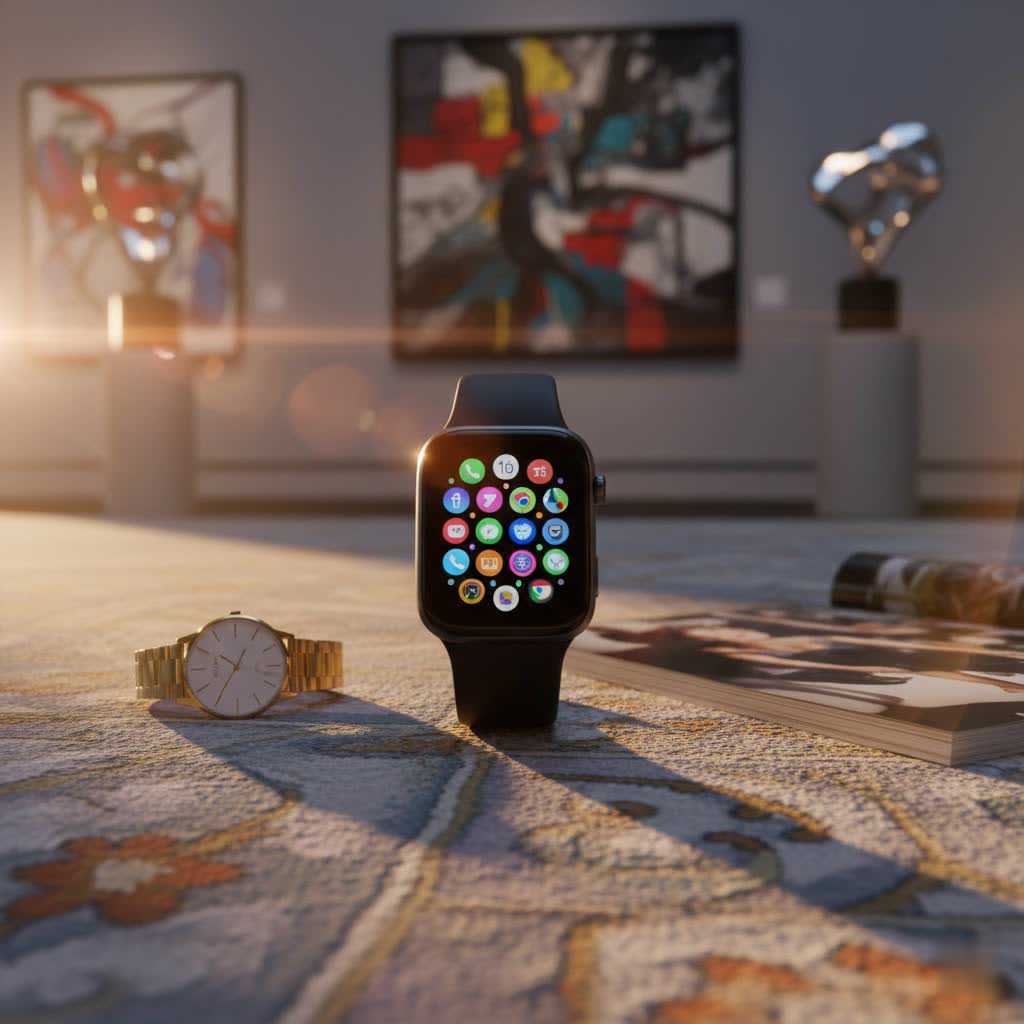
A smartwatch is a wearable computing device that resembles a traditional wristwatch but offers significantly more functionality. These devices connect wirelessly to your smartphone, providing notifications, tracking health and fitness metrics, and running various applications directly from your wrist. From their humble beginnings as simple notification devices, smartwatches have evolved into sophisticated gadgets capable of monitoring heart rate, sleep patterns, blood oxygen levels, and even performing electrocardiograms (ECGs).
The smartwatch market has experienced significant growth, driven by increasing health awareness and the demand for multifunctional personal devices. Key players dominating this landscape include industry giants like Apple, Samsung, and Garmin, alongside other prominent brands such as Xiaomi, Huawei, and Google. Smartwatches can broadly be categorized by their primary use: fitness-focused models for athletes and health enthusiasts, lifestyle-oriented devices emphasizing smart features and connectivity, and hybrid smartwatches that blend traditional aesthetics with basic smart capabilities. This dynamic market continues to innovate, with new technologies and features emerging regularly to enhance user experience and utility.
Important Criteria When Choosing a Smart Watch
Selecting the right smartwatch requires careful consideration of several key factors to ensure it meets your specific requirements and preferences.
Design and Size
|
Our Picks for the Best Smart Watch in 2026
As an Amazon Associate I earn from qualifying purchases.
|
||
| Num | Product | Action |
|---|---|---|
| 1 | Fitbit Charge 6 Fitness Tracker with Google apps, Heart Rate on Exercise Equipment, 6-Months Premium Membership Included, GPS, Health Tools and More, Obsidian/Black, One Size (S & L Bands Included) |

|
| 2 | Apple Watch Series 11 [GPS 42mm] Smartwatch with Rose Gold Aluminum Case with Light Blush Sport Band - S/M. Sleep Score, Fitness Tracker, Health Monitoring, Always-On Display, Water Resistant |
|
| 3 | Smart Watch with Alexa Built-in, 1.83" HD Touchscreen Fitness Tracker with Bluetooth Calling, Fitness Watch with Heart Rate/Sleep Monitor, 120+ Sports Modes, IP68 Waterproof Smartwatch for Android iOS |
|
| 4 | Green and Red Reindeer Silicone Smart Watch Band with Ornament |
|
| 5 | Smart Fitness Tracker with Step Counter - Bluetooth Calling & 100+ Exercise Modes for Health Monitoring - Perfect for Fitness Lovers and Runners |
|
| 6 | Smart Watch for Men, 120 Sports Modes Smartwatch with 1.83" HD Touchsreen, IP67 Waterproof, Sleep Monitor, Bluetooth Call & Music Control Fitness Watch for Android/iPhone (Black) |
|
| 7 | Apple Watch Series 11 [GPS 46mm] Smartwatch with Jet Black Aluminum Case with Black Sport Band - M/L. Sleep Score, Fitness Tracker, Health Monitoring, Always-On Display, Water Resistant |
|
| 8 | IOWODO Military Smart Watch for Men -100-Day Long Battery Life,Fitness Tracker with LED Flashlight/Compass,Heart Rate Monitor,120+ Sports Modes,IP68 Waterproof,Bluetooth Call Smartwatch for iOSAndroid |
|
| 9 | Smart Watch for Men Women, 2026 New Smartwatch(Answer/Make Call) , 1.91" Fitness Watch with 120+ Sport Modes, Fitness Tracke with Pedometer/Sleep Monitor/Heart Rate/IP68, for Android/iPhone Black |
|
| 10 | Smart Watch for Women Men Answer/Make Call,1.85" HD Screen Fitness Tracker with Step Counter,140+ Sport Modes Smartwatch with Heart Rate Sleep Monitor,IP68 Waterproof Activity Tracker for Android iOS |
|
The aesthetic appeal and comfort of a smartwatch are paramount, as it’s a device you’ll wear daily. Consider the materials used in the casing, which can range from lightweight aluminum and durable stainless steel to premium titanium or ceramic. The size of the watch face is also crucial; it should sit comfortably on your wrist without feeling too bulky or too small. Most smartwatches come in various case sizes (e.g., 40mm, 44mm, 45mm), allowing you to choose one that fits your wrist perfectly. Additionally, explore the vast selection of strap materials—silicone for sports, leather for elegance, or metal for a classic look—many of which are interchangeable for customization. Water and dust resistance ratings (like 5ATM for swimming) are also vital, especially if you lead an active lifestyle or want to track water-based activities.
Screen
The display is your primary interface with the smartwatch. Modern smartwatches typically feature vibrant AMOLED or OLED screens, known for their deep blacks, rich colors, and excellent contrast. Look for high resolution and brightness, which are essential for readability in various lighting conditions, including direct sunlight. Features like an “Always-on display” can be a convenient addition, allowing you to see the time and key information at a glance without needing to activate the screen, though this can impact battery life.
Features
Smartwatches are packed with a diverse range of features, catering to different user needs.
- Health Tracking: Core health monitoring often includes heart rate tracking, sleep analysis (duration, stages, quality), and blood oxygen saturation (SpO2). More advanced models offer electrocardiogram (ECG) capabilities to detect signs of atrial fibrillation, skin temperature sensing, and even blood pressure monitoring in some regions.
- Fitness Tracking: For sports enthusiasts, features like built-in GPS for accurate outdoor activity tracking, step counting, calorie expenditure, and various sport modes (running, cycling, swimming, yoga) are essential. Some devices provide advanced metrics such as VO2 Max, recovery time, and training load.
- Notifications: All smartwatches deliver smartphone notifications directly to your wrist, including calls, messages, emails, and app alerts. Many allow you to respond to messages using pre-set replies, dictation, or a miniature keyboard.
- Communication: Higher-end models offer cellular (LTE/5G) connectivity, enabling you to make and receive calls, send messages, and stream music directly from your watch without your phone nearby, often requiring a separate monthly subscription.
- Convenience Features: Contactless payments (e.g., Apple Pay, Google Wallet, Garmin Pay) allow for quick transactions. Music control and onboard storage for music mean you can leave your phone behind during workouts. Voice assistants (Siri, Google Assistant, Gemini, Alexa) can help with tasks, answer questions, and control smart home devices.
Performance and Battery
The internal hardware influences the watch’s responsiveness and overall user experience. A capable processor, sufficient RAM, and adequate internal storage ensure smooth app operation and data handling. Battery life is a critical consideration; while some full-featured smartwatches require daily charging, many fitness-focused models can last several days, or even weeks, on a single charge. Fast charging capabilities can also be a valuable convenience, allowing you to quickly top up your device.
Operating System
The operating system dictates the user interface, app ecosystem, and overall functionality.
- watchOS (Apple): Exclusive to Apple Watches, it offers seamless integration with the iOS ecosystem, a vast app store, and robust health features.
- Wear OS (Google): Found on many Android-compatible smartwatches (including Samsung’s newer Galaxy Watches), Wear OS provides a versatile experience with access to the Google Play Store, Google services, and often good compatibility with both Android and iOS (though best with Android).
- Proprietary OS: Brands like Garmin, Xiaomi, and Huawei often use their own operating systems, which are typically optimized for specific features (e.g., Garmin OS for advanced fitness tracking) and tend to offer longer battery life, but may have more limited third-party app support.
Compatibility
Ensure the smartwatch you choose is compatible with your smartphone’s operating system. Apple Watches work exclusively with iPhones, while Wear OS devices are primarily designed for Android phones but often offer limited compatibility with iPhones. Many smartwatches from brands like Garmin are compatible with both iOS and Android devices, though some advanced features might be optimized for one platform over the other.
Comparing Smart Watch Price Segments
Smartwatches are available across a wide spectrum of prices, each segment offering a different balance of features, build quality, and performance.
Budget Segment (Under $150)
This segment typically includes fitness bands with basic smartwatch features or entry-level smartwatches from brands like Xiaomi, Huawei, and some smaller players.
- Pros: Highly affordable, cover essential functions like step counting, heart rate monitoring, sleep tracking, and basic notifications. Often boast excellent battery life.
- Cons: Limited advanced features, less robust build quality, basic displays, and minimal third-party app support. May lack GPS or direct call capabilities.
- Examples: Xiaomi Mi Band series, Huawei Band series.
Mid-Range Segment ($150 – $350)
This is a competitive segment where many popular smartwatches reside, offering a good balance of features and value.
- Pros: Comprehensive health and fitness tracking, vibrant displays (often AMOLED), improved build quality, GPS, mobile payments, and better app ecosystems (especially Wear OS devices). Many offer cellular options.
- Cons: Battery life can be shorter compared to budget or some high-end fitness watches, and some advanced health sensors might be missing or less precise than premium models.
- Examples: Samsung Galaxy Watch 7, Google Pixel Watch 4, Apple Watch SE series.
High-End Segment (Over $350)
This category includes flagship models from leading brands, offering premium designs, cutting-edge technology, and a full suite of features.
- Pros: Luxurious materials, sophisticated health sensors (ECG, advanced SpO2, temperature), robust fitness tracking with advanced metrics, cellular connectivity as standard or optional, expansive app ecosystems, and often superior performance and brighter displays. Extended battery life is a key differentiator for ultra-premium models.
- Cons: High price point, and some ultra-premium fitness watches may have fewer “smart” features compared to general-purpose smartwatches.
- Examples: Apple Watch Series 11, Apple Watch Ultra series, Garmin Venu 4, Garmin Fenix series.
Detailed Comparison Table of Notable Smart Watch Models
Here’s a comparison of some prominent smartwatches, reflecting current models and their key specifications to help illustrate the differences.
| Feature | Apple Watch Series 11 | Samsung Galaxy Watch 7 | Garmin Venu 4 | Google Pixel Watch 4 | OnePlus Watch 3 |
|---|---|---|---|---|---|
| Price | High-End | Mid-Range | High-End | Mid-Range | Mid-Range |
| Design | Elegant, rectangular | Modern, circular | Stylish, circular | Sleek, domed circular | Bold, circular |
| Display | Wide-angle OLED | AMOLED | AMOLED | AMOLED | AMOLED |
| Features | Comprehensive, iOS-centric; advanced health, 5G, Workout Buddy, hypertension alerts, sleep score | Android-centric; detailed sleep insights, AI wellness features, sleep apnea detection, Gemini AI | Fitness-focused; advanced training, accurate GPS, wellness insights, sleep coach, Garmin Pay | Android-centric; Gemini AI, SOS satellite messaging, detailed sleep tracking | Long battery life, comprehensive fitness, Wear OS apps, ECG (region dependent) |
| Battery Life | 24 hours (36 hrs low-power) | 24-40 hours | 10-12 days (smartwatch mode), 20 hrs (GPS) | 30-60 hours (model dependent) | Up to 5 days |
| Operating System | watchOS | Wear OS (with One UI Watch) | Garmin OS | Wear OS | Wear OS |
| Compatibility | iPhone only | Android (best), iOS (limited) | Android, iPhone | Android (best), iOS (limited) | Android (best), iOS (limited) |
Note: Prices and features are subject to change and may vary by region and specific model configuration.
Where to Buy a Smart Watch Reputably?
Purchasing a smartwatch from a reputable source is essential to ensure authenticity, warranty, and customer support.
- Authorized Retailers: Major electronics stores and authorized resellers (e.g., Apple Stores, Samsung Experience Stores, Best Buy, Walmart, Target) offer the latest models, often with in-store support and clear return policies.
- Brand Websites: Buying directly from the manufacturer’s website (Apple, Samsung, Garmin, Google, OnePlus) guarantees genuine products and direct access to customer service.
- E-commerce Platforms: Reputable online marketplaces (Amazon, eBay with trusted sellers, Newegg) provide convenience and competitive pricing. Always check seller ratings, reviews, and the product’s return policy.
- Mobile Carriers: If you’re interested in a cellular-enabled smartwatch, your mobile service provider (AT&T, Verizon, T-Mobile) often sells these devices and can help you set up a data plan.
Always verify the warranty, exchange, and return policies before making a purchase.
Tips for Using and Maintaining a Smart Watch
Proper care and usage can significantly extend the lifespan of your smartwatch and optimize its performance.
- Charge Correctly: Follow the manufacturer’s charging guidelines. Avoid leaving the watch on the charger indefinitely after it’s fully charged, as this can degrade battery health over time. Use the provided charger and cable.
- Regular Cleaning: Regularly clean your smartwatch, especially the sensors on the back, with a soft, lint-free cloth. For water-resistant watches, you can gently rinse them with fresh water after sweaty workouts or swims. Ensure the watch is completely dry before charging.
- Protect from Impacts: While many smartwatches are durable, avoiding strong impacts and abrasive surfaces can prevent scratches and damage to the screen and casing. Consider a screen protector or case for added protection if you’re particularly active.
- Software Updates: Keep your smartwatch’s operating system and apps updated. Manufacturers frequently release software updates that bring new features, performance improvements, and security fixes.
- Optimize Features for Battery Life: If battery life is a concern, consider adjusting settings such as screen brightness, disabling the Always-on display, limiting background app refresh, and turning off unnecessary notifications or sensors.
- Proper Fit: Ensure your watch fits snugly but comfortably. A proper fit is crucial for accurate heart rate monitoring and other health tracking features.
Conclusion
Choosing the perfect smartwatch involves understanding your needs, weighing different features, and finding a device that integrates seamlessly with your daily life and existing technology. Whether you prioritize advanced health monitoring, comprehensive fitness tracking, seamless smartphone integration, or simply a stylish accessory, the market offers a wide array of options across various price points. By considering factors such as design, screen quality, feature set, performance, operating system, and compatibility, you can make an informed decision and invest in a wearable that truly enhances your digital lifestyle.
The smartwatch has evolved from a niche gadget to an indispensable personal assistant, continually pushing the boundaries of wearable technology. What innovative features do you envision becoming standard on smartwatches in the next five years?
