In an increasingly connected world, smartwatches have transcended their initial role as mere fitness trackers and notification hubs. Today, these sophisticated devices offer a myriad of features designed to enhance daily life, from managing your health to keeping you connected. Among their most critical innovations, the fall detection feature stands out as a true game-changer, offering an invaluable layer of safety and peace of mind for users and their loved ones alike. For many, especially seniors, athletes, or individuals with certain medical conditions, a smartwatch equipped with fall detection can be a lifeline, ensuring help is automatically summoned in critical moments when they might be unable to call for it themselves.
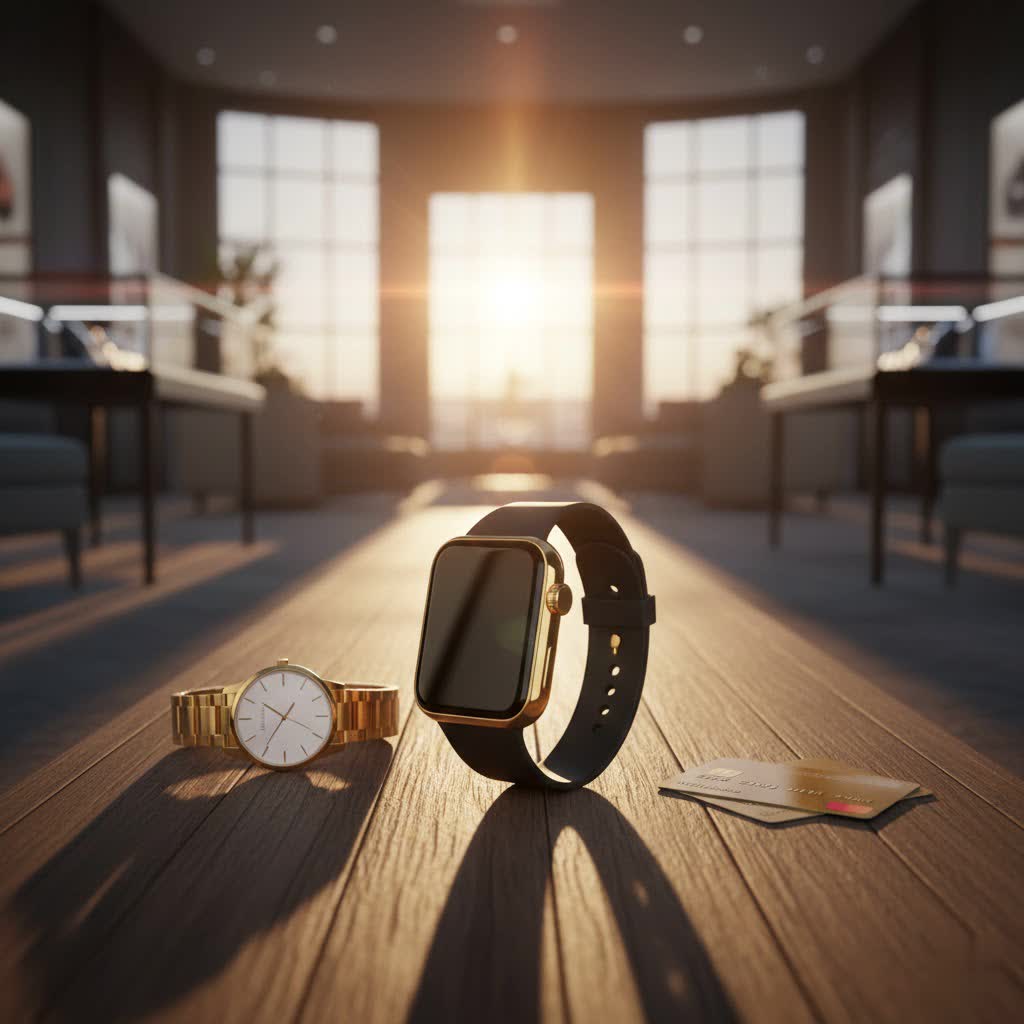
What is a Smartwatch? An Overview of the Market
A smartwatch is a wearable computing device that resembles a wristwatch but offers far more functionality than simply telling time. It connects wirelessly to a smartphone, providing notifications, tracking fitness metrics, and often allowing for calls, texts, and app usage directly from the wrist. The journey of the smartwatch began with simple digital timepieces capable of basic calculations, evolving into the powerful miniature computers we see today.
The market is dominated by several key players. Apple, with its highly popular Apple Watch series, sets a benchmark for seamless integration with the iOS ecosystem and advanced health features. Samsung’s Galaxy Watch line, powered by Wear OS, offers a robust experience for Android users, boasting comprehensive health tracking and stylish designs. Garmin specializes in smartwatches for fitness enthusiasts and outdoor adventurers, known for their ruggedness and precise GPS capabilities. Other notable brands include Xiaomi, offering more budget-friendly options, and specialized medical alert watch providers like Bay Alarm Medical, which focus specifically on safety features for seniors. Smartwatches can broadly be categorized by their primary purpose: fitness and sports tracking, comprehensive health monitoring, and fashion-forward designs.
Understanding Fall Detection in Smartwatches
Fall detection is an advanced safety feature integrated into many modern smartwatches, designed to automatically identify when a wearer has taken a hard fall. This technology serves as a critical guardian, particularly for those who might be at higher risk of falling, such as older adults, individuals recovering from surgery, or extreme sports enthusiasts.
How Does Fall Detection Work?
The core of smartwatch fall detection lies in its sophisticated array of sensors and intelligent algorithms. The primary sensors involved are:
- Accelerometers: These sensors measure linear acceleration, detecting changes in speed and direction. When a fall occurs, the accelerometer records a sudden, sharp movement.
- Gyroscopes: These sensors measure angular velocity and orientation. They work in conjunction with accelerometers to provide a more complete picture of the wearer’s movement, helping to distinguish a true fall from everyday activities.
- Motion Sensors: Complementing accelerometers and gyroscopes, these sensors gather additional data on the wearer’s movement patterns.
|
Our Picks for the Best Smart Watch in 2026
As an Amazon Associate I earn from qualifying purchases.
|
||
| Num | Product | Action |
|---|---|---|
| 1 | Smart Watch with Alexa Built-in, 1.83" HD Touchscreen Fitness Tracker with Bluetooth Calling, Fitness Watch with Heart Rate/Sleep Monitor, 120+ Sports Modes, IP68 Waterproof Smartwatch for Android iOS |

|
| 2 | Smart Fitness Tracker with Step Counter - Bluetooth Calling & 100+ Exercise Modes for Health Monitoring - Perfect for Fitness Lovers and Runners |
|
| 3 | Smart Watch for Women Men Answer/Make Call,1.85" HD Screen Fitness Tracker with Step Counter,140+ Sport Modes Smartwatch with Heart Rate Sleep Monitor,IP68 Waterproof Activity Tracker for Android iOS |
|
| 4 | Apple Watch Series 11 [GPS 42mm] Smartwatch with Rose Gold Aluminum Case with Light Blush Sport Band - S/M. Sleep Score, Fitness Tracker, Health Monitoring, Always-On Display, Water Resistant |
|
| 5 | Green and Red Reindeer Silicone Smart Watch Band with Ornament |
|
| 6 | Apple Watch Series 11 [GPS 46mm] Smartwatch with Jet Black Aluminum Case with Black Sport Band - M/L. Sleep Score, Fitness Tracker, Health Monitoring, Always-On Display, Water Resistant |
|
| 7 | IOWODO Military Smart Watch for Men -100-Day Long Battery Life,Fitness Tracker with LED Flashlight/Compass,Heart Rate Monitor,120+ Sports Modes,IP68 Waterproof,Bluetooth Call Smartwatch for iOSAndroid |
|
| 8 | Smart Watch for Men Women, 2026 New Smartwatch(Answer/Make Call) , 1.91" Fitness Watch with 120+ Sport Modes, Fitness Tracke with Pedometer/Sleep Monitor/Heart Rate/IP68, for Android/iPhone Black |
|
| 9 | Fitbit Charge 6 Fitness Tracker with Google apps, Heart Rate on Exercise Equipment, 6-Months Premium Membership Included, GPS, Health Tools and More, Obsidian/Black, One Size (S & L Bands Included) |
|
| 10 | Smart Watch for Men, 120 Sports Modes Smartwatch with 1.83" HD Touchsreen, IP67 Waterproof, Sleep Monitor, Bluetooth Call & Music Control Fitness Watch for Android/iPhone (Black) |
|
Sophisticated algorithms analyze the data from these sensors in real-time. They are trained to recognize patterns indicative of a fall—such as a sudden, rapid descent followed by immobility—and differentiate them from common activities like sitting down quickly or exercising. If a fall is detected, the smartwatch will typically vibrate and display an alert on the screen, prompting the user to confirm if they are okay. If the user responds by tapping “I’m OK,” the alert is dismissed. However, if the user remains unresponsive for a predetermined period, often around 60 seconds, the watch will automatically initiate an emergency protocol. This usually involves contacting pre-selected emergency contacts or, in some cases, directly calling emergency services, while also sharing the wearer’s location.
Who Benefits Most?
The peace of mind offered by fall detection is invaluable. Seniors can maintain their independence with confidence, knowing that help is available even if they cannot call out. For their family members and caregivers, it provides reassurance that their loved ones are protected, reducing worry about unseen accidents. Athletes engaging in solo activities or those with certain medical conditions that might lead to sudden incapacitation also benefit significantly from this technology.
Limitations and Considerations
While highly effective, it’s important to note that fall detection isn’t infallible. High-impact activities or sudden, vigorous movements might occasionally trigger false positives. Users typically have the option to adjust the sensitivity of the fall detection feature or specify when it should be active (e.g., always, only during physical activity, or only during workouts). For the feature to work correctly, it usually needs to be manually enabled in the watch’s settings and requires the latest software version.
Key Criteria for Choosing a Smartwatch with Fall Detection
Selecting the ideal smartwatch with fall detection requires careful consideration of several factors to ensure it meets individual needs and lifestyle.
- Design and Size: Consider the watch’s material (metal, plastic, ceramic), the size of the watch face to ensure it’s comfortable and readable on your wrist, and the strap material (silicone, leather, metal) for comfort and durability. Water and dust resistance are also crucial, especially for active individuals or those who wear their watch continuously.
- Display: Look for vibrant display technologies like AMOLED or LCD, which offer good resolution and brightness for clear visibility in various lighting conditions. The screen size and whether it features an Always-on Display can significantly impact usability.
- Features:
- Fall Detection Specifics: Research the accuracy and reliability of the fall detection system, whether it offers customizable sensitivity, and if it automatically contacts emergency services or only pre-selected contacts.
- Health Tracking: Beyond fall detection, consider features like heart rate monitoring, sleep tracking, SpO2 (blood oxygen saturation) measurement, ECG (electrocardiogram), and even blood pressure monitoring.
- Sports Tracking: For active users, GPS, step counting, calorie tracking, and specialized workout modes are important.
- Connectivity and Communication: The ability to receive notifications, make and receive calls, and send messages directly from the watch enhances its utility. Contactless payment, music control, and an integrated voice assistant add convenience.
- Emergency Features: Evaluate if the watch has an SOS button for manual alerts and if it offers car crash detection.
- Performance and Battery: A capable processor, sufficient RAM, and internal storage contribute to smooth operation. Battery life is a critical consideration, especially for safety features; longer battery life means less frequent charging and more continuous protection. Fast charging capabilities are also a plus.
- Operating System: Major operating systems include watchOS (for Apple Watches), Wear OS (for many Android-compatible smartwatches), Tizen (formerly used by Samsung), and various proprietary operating systems. Compatibility with your smartphone (iOS or Android) is paramount.
- Compatibility: Ensure the smartwatch connects seamlessly with your smartphone’s operating system and offers reliable connectivity options like Bluetooth, Wi-Fi, and NFC.
Comparing Smartwatch Price Segments with Fall Detection
Smartwatches with fall detection are available across various price points, each offering a different balance of features, design, and performance.
- Budget Segment (Under $150): These smartwatches typically offer basic fall detection alongside essential fitness tracking. While they are more affordable, they might have fewer advanced health features, less premium build quality, or shorter battery life compared to their higher-priced counterparts. Brands like Amazfit often fall into this category, providing accessible options for fundamental safety.
- Mid-Range Segment ($150-$300): This segment provides a robust set of features, including more refined fall detection, a wider array of health sensors, and better build quality. Devices like certain Samsung Galaxy Watch models or Fitbit Versa series often reside here, offering a strong balance of performance and value.
- High-End Segment (Over $300): Dominated by devices like the Apple Watch and premium Garmin models, this segment boasts luxurious designs, the most advanced health tracking capabilities (including highly accurate fall detection), powerful processors, and seamless integration with their respective ecosystems. These watches often feature sophisticated emergency response systems, such as automatically contacting emergency services in case of an unresponsive fall.
- Specialized Medical Alert Watches: While sometimes crossing into the mid-to-high-end price range for the device itself, these watches often come with a monthly subscription fee. Brands like Bay Alarm Medical offer smartwatches explicitly designed for seniors, providing 24/7 monitoring services and direct communication with trained operators in an emergency. The subscription often covers professional monitoring and enhanced response coordination.
Detailed Comparison Table of Notable Smartwatch Models
| Criteria | Apple Watch Series 10 | Samsung Galaxy Watch 7 | Garmin Venu 2 Plus | Bay Alarm Medical SOS Smartwatch |
|---|---|---|---|---|
| Price Segment | Premium | Mid-Range to Premium | Premium | Medical Alert (Subscription) |
| Design | Elegant, versatile | Modern, sporty | Robust, athletic | Simple, user-friendly |
| Fall Detection | Highly refined, auto calls SOS | Hard fall detection, alerts contacts | Activity-based fall detection | Automatic fall detection (add-on) |
| Emergency Contact | Emergency services/contacts | Emergency contacts | Emergency contacts via app | 24/7 monitoring service |
| Battery Life | Up to 18-36 hours | Up to 40-50 hours | Up to 7-9 days | Several days (varies by usage) |
| Operating System | watchOS | Wear OS | Garmin OS | Proprietary |
| Key Features | ECG, SpO2, car crash detection, extensive app ecosystem | BP, ECG, body composition, advanced calls | Advanced GPS, detailed sports metrics, music storage | GPS, two-way talk, step tracking, dedicated emergency button |
Where to Buy a Reliable Smartwatch with Fall Detection?
When investing in a smartwatch with fall detection, especially for safety, purchasing from reputable sources is crucial. You can find these devices at:
- Major Electronics Retailers: Stores like Best Buy or other large electronics chains, both online and in physical locations, offer a wide selection and often have knowledgeable staff.
- Authorized Brand Stores: Apple Stores, Samsung Experience Stores, or official Garmin outlets provide the full range of products, expert advice, and direct customer support.
- E-commerce Platforms: Reputable online marketplaces like Amazon, B&H Photo, or the official websites of the brands themselves are convenient options.
- Medical Alert Service Providers: For specialized medical alert smartwatches, directly contacting providers like Bay Alarm Medical ensures you get the device and the associated monitoring service.
Always ensure the retailer offers a clear warranty, return policy, and reliable customer service. Checking product reviews and ratings can also help in making an informed decision.
Tips for Using and Maintaining Your Smartwatch
To maximize the longevity and effectiveness of your smartwatch, particularly its fall detection capabilities, follow these tips:
- Charge Correctly: Use the charger provided by the manufacturer and avoid overcharging or letting the battery completely drain too often. For safety features, ensuring your watch is adequately charged is paramount.
- Clean Regularly: Sweat, dirt, and daily grime can build up. Clean your watch and strap regularly according to the manufacturer’s instructions to prevent skin irritation and ensure sensor accuracy.
- Avoid Strong Impacts: While many smartwatches are durable, excessive impact can damage internal components. Treat your watch with care.
- Update Software Consistently: Manufacturers frequently release software updates that improve performance, add new features, and enhance the accuracy of existing ones, including fall detection. Keep your watch’s software up to date for optimal functionality.
- Enable and Adjust Fall Detection: The fall detection feature is often not enabled by default. Make sure to activate it in your watch’s settings. If your watch allows, adjust the sensitivity to your lifestyle to minimize false positives while ensuring reliable detection.
- Set Up Emergency Contacts: Crucially, always ensure your emergency contacts are correctly entered and up to date in the companion app. Confirm they are aware they are listed as emergency contacts.
Conclusion
Smartwatches with fall detection represent a significant leap forward in personal safety technology. They empower individuals to live more independently and confidently, offering a crucial layer of protection by automatically calling for help when it’s most needed. When choosing your device, carefully consider the design, features, battery life, and compatibility to find a smartwatch that seamlessly integrates into your life. Investing in this technology is not just about owning a gadget; it’s about investing in invaluable peace of mind for yourself and your loved ones. Will you embrace the next generation of personal safety with a fall-detecting smartwatch?
Frequently Asked Questions
How accurate is smartwatch fall detection?
Smartwatch fall detection is generally very accurate for hard falls, using advanced sensors and algorithms to distinguish real falls from everyday movements. However, like all technology, it’s not 100% infallible, and very high-impact activities might occasionally trigger false positives.
Do all smartwatches have fall detection?
No, not all smartwatches have fall detection. This is an advanced feature typically found in newer models from leading brands like Apple, Samsung, and Garmin, as well as specialized medical alert smartwatches. Always check the product specifications.
Can fall detection be turned off?
Yes, in most smartwatches that offer fall detection, the feature can be enabled, disabled, or have its sensitivity adjusted through the device’s settings or its companion smartphone app. You can often choose to activate it only during certain activities or always.
What happens when a smartwatch detects a fall?
When a smartwatch detects a fall, it typically vibrates and displays an alert, asking if you are okay. If you respond that you are fine, the alert is dismissed. If you do not respond within a set timeframe (e.g., 60 seconds), the watch will automatically contact your pre-set emergency contacts or emergency services, sharing your location.
Is fall detection only for seniors?
While seniors are a primary beneficiary, fall detection is not exclusively for them. It is highly beneficial for anyone at risk of falls, including individuals with medical conditions, those recovering from surgery, solo athletes, or anyone who desires an extra layer of safety and peace of mind.
