In today’s fast-paced world, staying connected and on top of your health can feel like a constant juggle. Imagine a device that streamlines your digital life, keeps tabs on your well-being, and empowers you to manage your day, all from the convenience of your wrist. This is the promise of the Bluetooth smart watch, a revolutionary piece of wearable technology that seamlessly integrates with your smartphone to bring essential information and powerful features directly to you. Whether you’re a fitness enthusiast, a busy professional, or simply looking for a more intuitive way to interact with your digital world, understanding how to choose the perfect Bluetooth smart watch is key to unlocking a truly connected experience. This comprehensive guide will walk you through everything you need to know, from core functionalities to top models, ensuring you make an informed decision for your lifestyle.
What is a Bluetooth Smart Watch? An Overview of the Market
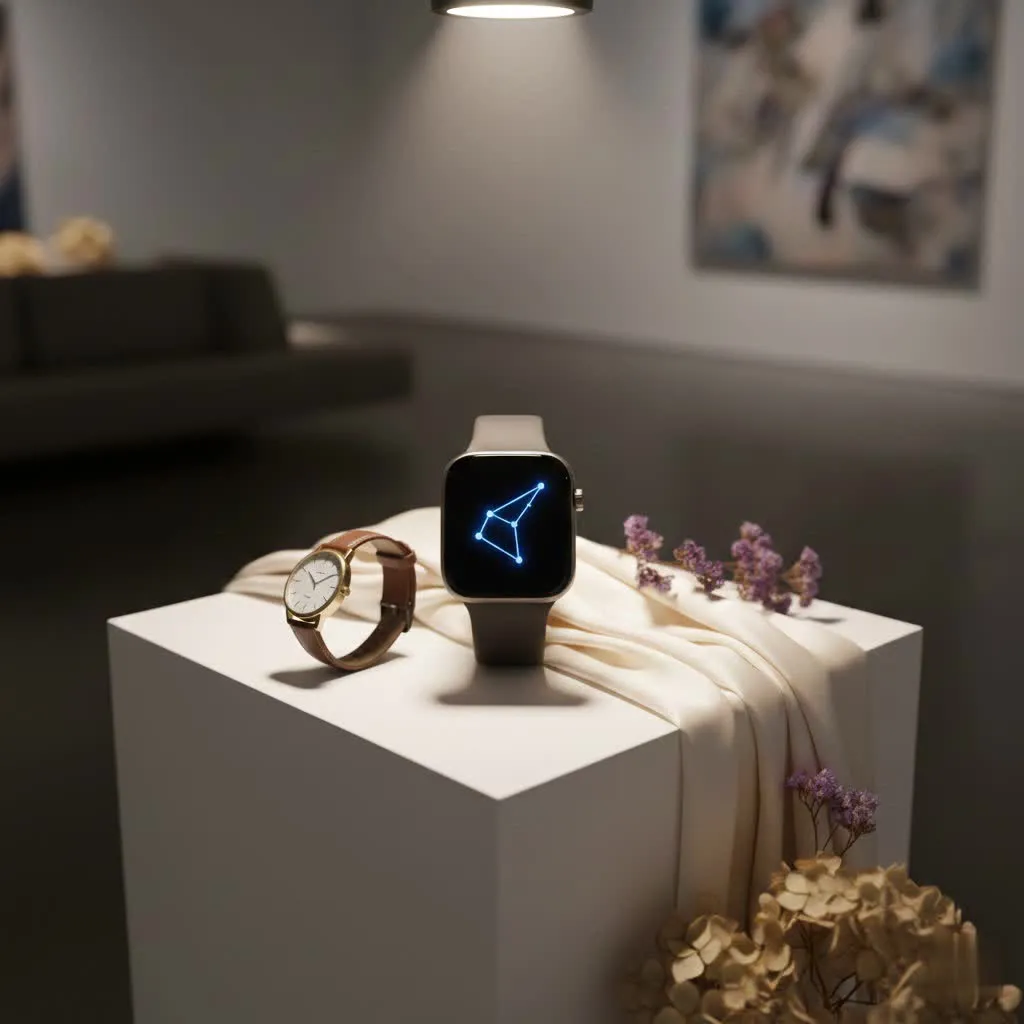
A Bluetooth smart watch is essentially a miniature computer worn on your wrist, designed to communicate wirelessly with your smartphone or other mobile devices primarily through Bluetooth technology. This connection allows the watch to extend the functionality of your phone, displaying notifications, tracking various health and fitness metrics, and often enabling hands-free communication.
The evolution of smartwatches has been rapid. From their early days as simple notification mirrors, they have transformed into sophisticated devices packed with advanced sensors and processing power. Today’s market is rich with diverse offerings from leading brands. Apple dominates for iPhone users with its watchOS ecosystem, while Google’s Wear OS powers many Android-compatible watches from manufacturers like Samsung and Google itself. Other notable players include Garmin, known for its robust fitness and outdoor features, and brands like Xiaomi and Huawei, which offer a range of feature-rich watches, often at competitive price points.
Bluetooth smart watches can be broadly categorized by their primary use:
- Fitness-focused: Equipped with advanced GPS, heart rate monitors, and specialized workout tracking for athletes and active individuals.
- Health-centric: Featuring sensors for ECG, SpO2 (blood oxygen), stress monitoring, and detailed sleep analysis, appealing to those prioritizing well-being.
- Lifestyle/Fashion: Blending sophisticated design with smart features, often chosen for their aesthetic appeal and daily convenience.
While many high-end smartwatches now include cellular connectivity (LTE/4G) for standalone operation, Bluetooth remains the fundamental technology for pairing and real-time data exchange with your smartphone, making “Bluetooth smart watch” a universal term for these connected wearables.
Essential Criteria for Selecting Your Ideal Bluetooth Smart Watch
Choosing the right Bluetooth smart watch involves considering several critical factors to ensure it aligns with your personal needs, preferences, and smartphone ecosystem.
Design and Dimensions
The aesthetic and physical comfort of your smart watch are paramount since it’s a device you’ll wear daily.
- Materials: Options range from lightweight aluminum and durable stainless steel to premium titanium and ceramic, influencing both look and price.
- Size: Smart watches come in various case sizes (e.g., 40mm, 44mm, 46mm). It’s crucial to select a size that comfortably fits your wrist and doesn’t feel overly bulky or too small.
- Strap: Bands are available in silicone (ideal for fitness), leather (for a classic look), and metal (for elegance). Many are interchangeable, allowing for customization.
- Durability: Look for water resistance ratings (e.g., 5 ATM for swimming) and robust screen materials like Gorilla Glass or sapphire crystal for scratch protection.
|
Our Picks for the Best Smart Watch in 2026
As an Amazon Associate I earn from qualifying purchases.
|
||
| Num | Product | Action |
|---|---|---|
| 1 | Apple Watch Series 11 [GPS 42mm] Smartwatch with Rose Gold Aluminum Case with Light Blush Sport Band - S/M. Sleep Score, Fitness Tracker, Health Monitoring, Always-On Display, Water Resistant |
![Check Apple Watch Series 11 [GPS 42mm] Smartwatch with Rose Gold Aluminum Case with Light Blush Sport Band - S/M. Sleep Score, Fitness Tracker, Health Monitoring, Always-On Display, Water Resistant on Amazon](https://reviewgiare.com/wp-content/plugins/amazon-tables/assets/images/buy.png)
|
| 2 | Smart Fitness Tracker with Step Counter - Bluetooth Calling & 100+ Exercise Modes for Health Monitoring - Perfect for Fitness Lovers and Runners |
|
| 3 | Apple Watch Series 11 [GPS 46mm] Smartwatch with Jet Black Aluminum Case with Black Sport Band - M/L. Sleep Score, Fitness Tracker, Health Monitoring, Always-On Display, Water Resistant |
|
| 4 | Smart Watch for Women Men Answer/Make Call,1.85" HD Screen Fitness Tracker with Step Counter,140+ Sport Modes Smartwatch with Heart Rate Sleep Monitor,IP68 Waterproof Activity Tracker for Android iOS |
|
| 5 | Smart Watch for Men, 120 Sports Modes Smartwatch with 1.83" HD Touchsreen, IP67 Waterproof, Sleep Monitor, Bluetooth Call & Music Control Fitness Watch for Android/iPhone (Black) |
|
| 6 | IOWODO Military Smart Watch for Men -100-Day Long Battery Life,Fitness Tracker with LED Flashlight/Compass,Heart Rate Monitor,120+ Sports Modes,IP68 Waterproof,Bluetooth Call Smartwatch for iOSAndroid |
|
| 7 | Fitbit Charge 6 Fitness Tracker with Google apps, Heart Rate on Exercise Equipment, 6-Months Premium Membership Included, GPS, Health Tools and More, Obsidian/Black, One Size (S & L Bands Included) |
|
| 8 | Smart Watch with Alexa Built-in, 1.83" HD Touchscreen Fitness Tracker with Bluetooth Calling, Fitness Watch with Heart Rate/Sleep Monitor, 120+ Sports Modes, IP68 Waterproof Smartwatch for Android iOS |
|
| 9 | Smart Watch for Men Women, 2026 New Smartwatch(Answer/Make Call) , 1.91" Fitness Watch with 120+ Sport Modes, Fitness Tracke with Pedometer/Sleep Monitor/Heart Rate/IP68, for Android/iPhone Black |
|
| 10 | Green and Red Reindeer Silicone Smart Watch Band with Ornament |
|
Display Technology
The watch’s screen is your primary interface, so its quality significantly impacts the user experience.
- Screen Type: AMOLED displays are popular for their vibrant colors, deep blacks, and excellent contrast, often contributing to better battery life with features like always-on display. LCD screens are also used, typically in more budget-friendly models.
- Resolution and Brightness: Higher resolution means sharper text and images. High brightness (measured in nits) is essential for readability outdoors in direct sunlight.
- Always-on Display: This feature keeps the time and other key information visible without needing to raise your wrist, though it can impact battery life.
Functionality
The features a Bluetooth smart watch offers are often the deciding factor.
- Health Monitoring: Core features include heart rate tracking, step counting, and sleep analysis. More advanced models offer SpO2 (blood oxygen saturation), ECG (electrocardiogram), blood pressure monitoring, and even skin temperature sensing for deeper health insights.
- Fitness Tracking: GPS for accurate distance tracking, calorie burn estimation, and support for a wide array of sports modes are common. Some watches offer advanced metrics like VO2 max, recovery advisors, and detailed workout summaries.
- Notifications: Receive alerts for calls, text messages, emails, and app notifications directly on your wrist, allowing you to stay informed without constantly checking your phone.
- Communication: Many Bluetooth smart watches allow you to answer calls and reply to messages (often with preset responses or voice-to-text) when paired with your phone. Models with cellular connectivity enable calls and messages even without your phone nearby.
- Contactless Payments: NFC (Near Field Communication) enables convenient tap-to-pay functionality via services like Apple Pay or Google Pay.
- Music Control: Manage music playback on your phone, or store music directly on the watch for listening with Bluetooth headphones.
- Voice Assistants: Access Siri, Google Assistant, or other proprietary assistants for hands-free commands.
Performance and Battery Life
A smart watch’s responsiveness and how long it lasts on a single charge are crucial for daily usability.
- Processor and RAM: A faster processor and sufficient RAM ensure smooth navigation, quick app loading, and responsive interactions.
- Internal Storage: Affects how many apps, music, or watch faces you can store directly on the device.
- Battery Duration: Varies significantly. High-performance, feature-rich watches with always-on displays might require daily charging, while simpler models or those with efficient processors can last several days or even weeks.
- Fast Charging: A useful feature that allows you to quickly top up the battery when you’re short on time.
Operating System (OS)
The OS dictates the user interface, app ecosystem, and overall experience.
- watchOS (Apple): Exclusive to Apple Watches, offering deep integration with the iOS ecosystem, a vast app store, and intuitive navigation.
- Wear OS (Google): Powers smartwatches from various Android manufacturers (e.g., Samsung, Google Pixel), providing a customizable experience, Google services, and compatibility with a broad range of Android apps.
- Tizen (Samsung): Previously used by Samsung, now largely replaced by Wear OS in newer models, but still found on older devices.
- Proprietary OS: Brands like Garmin, Xiaomi, and Huawei often use their own optimized operating systems, which can offer excellent battery life and specialized features but may have a smaller app selection.
Compatibility
Ensure your chosen smart watch works seamlessly with your smartphone.
- iOS vs. Android: Apple Watches are exclusively compatible with iPhones. Wear OS watches are primarily designed for Android phones, though some offer limited iOS compatibility. Other brands often support both iOS and Android, but always check specific model requirements.
- Connectivity: Beyond Bluetooth, consider Wi-Fi for faster data transfers and app downloads, and NFC for payments. Cellular (LTE) models provide phone-free connectivity for calls, messages, and streaming.
Comparing Bluetooth Smart Watch Price Segments
Bluetooth smart watches are available across a wide range of price points, each offering a different balance of features, build quality, and performance.
Entry-Level (Under $150)
- Pros: Highly affordable, cover basic functions like notifications, step counting, and basic heart rate monitoring. Often have long battery life due to simpler features.
- Cons: Limited advanced features, usually simpler designs, less robust build materials, smaller app ecosystems, and basic display technology.
- Examples: Xiaomi Mi Band series, Huawei Band series, some Amazfit Bip models. These are often closer to advanced fitness trackers but offer smart watch-like notifications via Bluetooth.
Mid-Range ($150 – $400)
- Pros: Offer a comprehensive set of features including advanced health tracking (SpO2, sometimes ECG), GPS, NFC for payments, better display quality, and more premium build materials. Good balance of features and price.
- Cons: Battery life can be shorter than entry-level models, and they might lack some of the cutting-edge health sensors or processing power of flagship devices.
- Examples: Samsung Galaxy Watch FE/older Galaxy Watch models, Fitbit Versa series, Apple Watch SE series, some Garmin Venu models, OnePlus Watch.
Premium (Over $400)
- Pros: Top-tier design with premium materials (titanium, sapphire glass), cutting-edge health and fitness features (ECG, advanced running dynamics, precise GPS), powerful processors, vibrant high-resolution displays, and often cellular connectivity options. Unparalleled integration within their respective ecosystems.
- Cons: Very high price point, some features might be overkill for casual users, and high-performance models may still require daily charging.
- Examples: Apple Watch Series and Ultra models, Samsung Galaxy Watch Ultra/Classic series, Google Pixel Watch series, Garmin Fenix and Epix series.
Detailed Comparison of Notable Bluetooth Smart Watch Models (2026 Projections)
| Criterion | Apple Watch Series 11 | Samsung Galaxy Watch 8 | Garmin Venu 4 | Xiaomi Watch S1 Pro |
|---|---|---|---|---|
| Price Segment | Premium | Mid-range to Premium | Premium | Mid-range |
| Design | Sleek, refined, iconic | Modern, customizable | Sporty, elegant | Classic, minimalist |
| Key Features | Comprehensive health & fitness, deep iOS integration, robust app ecosystem, advanced safety | Advanced health (ECG, BIA), Wear OS, seamless Android integration, robust fitness | In-depth fitness & health tracking, multi-band GPS, long battery | Core smart features, diverse sport modes, good value |
| Battery Life | 18-36 hours (typical) | 30-50 hours (typical) | 7-9 days (smartwatch mode) | 10-14 days (typical) |
| Operating System | watchOS | Wear OS (with One UI Watch) | Garmin OS | MIUI Watch |
| Compatibility | iOS only | Android only (best with Samsung phones) | iOS & Android | iOS & Android |
- Apple Watch Series 11: Remains the gold standard for iPhone users, offering unparalleled integration, a vast app selection, and advanced health sensors like ECG and SpO2. Its sleek design and safety features make it a top choice, though battery life typically requires daily charging.
- Samsung Galaxy Watch 8: A leading contender for Android users, running Google’s Wear OS with Samsung’s One UI Watch. It offers comprehensive health tracking, including advanced body composition analysis, and a smooth user experience, especially when paired with Samsung phones.
- Garmin Venu 4: Aimed at fitness enthusiasts, the Venu 4 combines robust health and fitness tracking with a vibrant AMOLED display. It excels in GPS accuracy and provides detailed workout metrics and multi-day battery life, making it ideal for active lifestyles on both iOS and Android.
- Xiaomi Watch S1 Pro: A strong mid-range option, offering a premium look and solid smart features. It provides good battery life, essential health monitoring, and a sleek design, making it a compelling choice for users looking for value without sacrificing style.
Where to Purchase Your Bluetooth Smart Watch Reputably
When investing in a Bluetooth smart watch, it’s crucial to buy from authorized and reputable sources to ensure authenticity, warranty, and reliable customer support.
- Major Electronics Retailers: Stores like Best Buy, Target, Walmart, and regional electronics chains are excellent options. They typically carry a wide selection of brands and models, offer competitive pricing, and provide return/exchange policies.
- Manufacturer’s Official Stores: Apple Stores, Samsung Experience Stores, and official online shops for Garmin, Google, and other brands guarantee genuine products, often with exclusive deals or direct support.
- Authorized Resellers: Many online retailers (e.g., Amazon, B&H Photo, Adorama) are authorized sellers. Always verify the seller’s reputation and authorization status to avoid counterfeit products.
- Wireless Carriers: If you’re considering a cellular-enabled smart watch, mobile carriers (e.g., Verizon, AT&T, T-Mobile) often offer bundle deals with phone plans.
Important Note: Always check the warranty, return policy, and customer service options before making a purchase. Be wary of unusually low prices from unverified sellers, as these could indicate counterfeit or refurbished products.
Tips for Optimal Bluetooth Smart Watch Usage and Maintenance
To maximize the lifespan and performance of your Bluetooth smart watch, proper care and usage are essential.
- Charge Correctly: Use the manufacturer-provided charger and avoid overcharging. Many watches have optimized charging routines.
- Regular Cleaning: Clean your watch screen and case with a soft, lint-free cloth. For bands, follow manufacturer instructions, as materials like silicone, leather, or metal require different care. This prevents skin irritation and keeps sensors accurate.
- Avoid Physical Shocks: While many smart watches are durable, excessive drops or impacts can damage internal components or the screen.
- Keep Software Updated: Regularly install software updates. These often include performance improvements, bug fixes, new features, and critical security patches.
- Optimize Battery Life: Manage features like always-on display, screen brightness, and GPS usage to extend battery life. Disabling unnecessary notifications can also help.
- Understand Water Resistance: Check your watch’s ATM rating. 5 ATM usually means it’s safe for swimming, but always confirm with the manufacturer’s guidelines for specific activities like diving.
Conclusion
The Bluetooth smart watch has evolved from a niche gadget into an indispensable companion for modern living, offering a powerful blend of convenience, connectivity, and health insights. By understanding how these devices operate, evaluating key criteria like design, features, and compatibility, and exploring the diverse range of models available, you can confidently select the perfect Bluetooth smart watch to enhance your daily routine. This powerful wearable isn’t just a time-teller; it’s a personal assistant, a fitness coach, and a communication hub, all meticulously crafted for your wrist. Are you ready to embrace the future of connected wearables and discover how a Bluetooth smart watch can transform your life?
