Are you ready to elevate your fitness journey, but feel overwhelmed by the endless options of smartwatches? You’re not alone. The market is flooded with devices promising to track every step, beat, and calorie, making it tough to discern which one truly fits your active lifestyle. This comprehensive guide will cut through the noise, helping you understand what makes a fitness smartwatch exceptional and how to choose the ideal companion for your health and wellness goals.
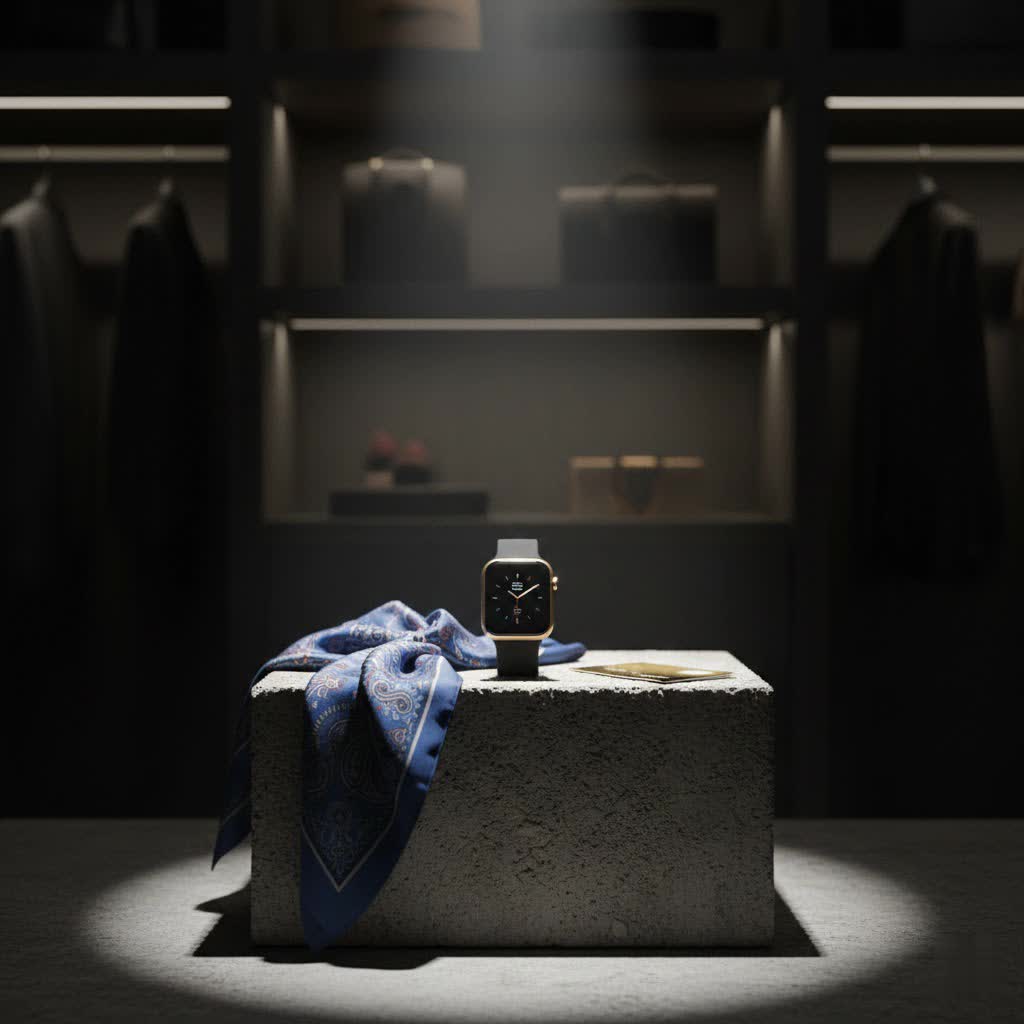
What is a Smartwatch for Fitness? An Overview
At its core, a smartwatch for fitness is far more than just a time-telling device; it’s a powerful personal health assistant strapped right to your wrist. While early activity trackers were simple pedometers, today’s fitness smartwatches integrate sophisticated sensors and software to provide real-time data and actionable insights into your physical activity, recovery, and overall well-being. They empower you to understand your body better, stay motivated, and proactively work towards a healthier life.
The market boasts a diverse range of popular brands, each bringing its unique strengths to the table. Giants like Apple, Samsung, and Google offer feature-rich smartwatches that blend fitness capabilities with extensive smart functionalities. On the other hand, brands such as Garmin, Fitbit, Amazfit, and Coros often specialize in more rugged designs, extended battery life, and advanced metrics tailored specifically for serious athletes and outdoor enthusiasts.
Fitness smartwatches can generally be categorized by their primary focus:
- Sports-Specific: Designed for athletes, offering deep analytics for running, cycling, swimming, and more.
- Health & Wellness Focused: Prioritizing continuous health monitoring like heart rate, sleep, and stress.
- Hybrid (Smart & Fitness): Balancing comprehensive smartphone integration with robust fitness tracking.
Essential Criteria When Choosing Your Fitness Smartwatch
Selecting the perfect fitness smartwatch involves weighing various factors to ensure it aligns with your specific needs and preferences. Consider these crucial criteria:
Design and Comfort
A fitness smartwatch is an accessory you’ll wear for extended periods, so comfort and durability are paramount.
- Materials: Choices range from lightweight plastics for athletic models to premium metals and ceramics for a more sophisticated look. Your preferred material impacts weight, feel, and price.
- Size: Consider the watch face size and overall bulk. Larger displays offer more data at a glance but might feel cumbersome on smaller wrists. Some brands offer multiple size options.
- Strap: Silicone straps are popular for workouts due to their sweat resistance and flexibility. Leather or metal bands are available for more formal occasions, often with easy-swap mechanisms.
- Water and Dust Resistance: Essential for fitness enthusiasts. Look for ratings like 5 ATM (suitable for swimming) or higher if you plan on diving or engaging in water sports. Dust resistance ensures longevity in various environments.
|
Our Picks for the Best Smart Watch in 2026
As an Amazon Associate I earn from qualifying purchases.
|
||
| Num | Product | Action |
|---|---|---|
| 1 | Fitbit Charge 6 Fitness Tracker with Google apps, Heart Rate on Exercise Equipment, 6-Months Premium Membership Included, GPS, Health Tools and More, Obsidian/Black, One Size (S & L Bands Included) |

|
| 2 | Smart Watch for Women Men Answer/Make Call,1.85" HD Screen Fitness Tracker with Step Counter,140+ Sport Modes Smartwatch with Heart Rate Sleep Monitor,IP68 Waterproof Activity Tracker for Android iOS |
|
| 3 | IOWODO Military Smart Watch for Men -100-Day Long Battery Life,Fitness Tracker with LED Flashlight/Compass,Heart Rate Monitor,120+ Sports Modes,IP68 Waterproof,Bluetooth Call Smartwatch for iOSAndroid |
|
| 4 | Apple Watch Series 11 [GPS 46mm] Smartwatch with Jet Black Aluminum Case with Black Sport Band - M/L. Sleep Score, Fitness Tracker, Health Monitoring, Always-On Display, Water Resistant |
|
| 5 | Smart Watch for Men Women, 2026 New Smartwatch(Answer/Make Call) , 1.91" Fitness Watch with 120+ Sport Modes, Fitness Tracke with Pedometer/Sleep Monitor/Heart Rate/IP68, for Android/iPhone Black |
|
| 6 | Smart Watch with Alexa Built-in, 1.83" HD Touchscreen Fitness Tracker with Bluetooth Calling, Fitness Watch with Heart Rate/Sleep Monitor, 120+ Sports Modes, IP68 Waterproof Smartwatch for Android iOS |
|
| 7 | Smart Watch for Men, 120 Sports Modes Smartwatch with 1.83" HD Touchsreen, IP67 Waterproof, Sleep Monitor, Bluetooth Call & Music Control Fitness Watch for Android/iPhone (Black) |
|
| 8 | Apple Watch Series 11 [GPS 42mm] Smartwatch with Rose Gold Aluminum Case with Light Blush Sport Band - S/M. Sleep Score, Fitness Tracker, Health Monitoring, Always-On Display, Water Resistant |
|
| 9 | Green and Red Reindeer Silicone Smart Watch Band with Ornament |
|
| 10 | Smart Fitness Tracker with Step Counter - Bluetooth Calling & 100+ Exercise Modes for Health Monitoring - Perfect for Fitness Lovers and Runners |
|
Display Technology
The screen is your primary interface with the watch.
- AMOLED vs. LCD: AMOLED displays offer vibrant colors, deep blacks, and excellent contrast, often with “Always-On Display” capabilities. LCDs are generally more power-efficient in bright sunlight.
- Resolution and Brightness: Higher resolution means sharper text and graphics. Good brightness is critical for outdoor visibility, especially during sunny workouts.
- Always-On Display (AOD): Allows you to see the time and basic info without raising your wrist, but it can impact battery life.
Key Features for Fitness Tracking
This is where fitness smartwatches truly shine, offering a suite of sensors and software to monitor your body and performance.
- Health Tracking:
- Heart Rate Monitoring: Continuous tracking, heart rate zones (crucial for targeted training), heart rate variability, and even ECG (electrocardiogram) for detecting irregular heart rhythms.
- Sleep Tracking: Monitors sleep stages (light, deep, REM), duration, and quality, providing insights into recovery.
- SpO2 (Blood Oxygen): Measures oxygen saturation, important for understanding respiratory health and acclimatization at altitude.
- Stress Tracking: Analyzes heart rate variability to estimate stress levels and may offer guided breathing exercises.
- Body Temperature: Some advanced models track skin temperature, which can indicate illness or aid in menstrual cycle tracking.
- Menstrual Cycle Tracking: For women, this feature helps predict periods and fertility windows.
- Activity and Workout Tracking:
- GPS: Built-in GPS is vital for accurately tracking outdoor activities like running, cycling, and hiking, providing data on distance, pace, routes, and elevation without needing your phone.
- Step Counting and Calorie Burn: Basic yet essential metrics for daily activity.
- Multi-Sport Modes: Support for various activities such as running, swimming, cycling, gym workouts, yoga, and even specific sports like golf or triathlon.
- Automatic Workout Detection: Conveniently recognizes when you start exercising and begins tracking.
- Recovery Metrics: Advanced devices offer insights into recovery time, training load, and body battery levels, helping prevent overtraining.
Performance and Battery Life
- Processing Power & Storage: A faster processor ensures smooth navigation and quick app loading. Adequate internal storage is important if you plan to store music directly on your watch.
- Battery Life: This is a significant differentiator. Some full-featured smartwatches require daily charging (e.g., Apple Watch), while others, especially more dedicated fitness trackers, can last several days or even weeks on a single charge (e.g., many Garmin and Fitbit models). Consider your usage patterns.
- Charging Speed: Fast charging capabilities can be a lifesaver, quickly topping up your device before a workout.
Operating System and App Ecosystem
- watchOS (Apple): Seamlessly integrates with iPhones, offering a vast app store and deep health features.
- Wear OS (Google/Samsung): Compatible with Android phones, providing access to Google services and a growing app ecosystem. Samsung’s One UI Watch overlays Wear OS for a distinct experience.
- Garmin OS: Known for its robust fitness and outdoor features, long battery life, and excellent data analytics, often compatible with both iOS and Android.
- Proprietary Systems: Brands like Xiaomi or Huawei use their own operating systems, which can be simpler and more power-efficient but might have fewer third-party app integrations.
Compatibility and Connectivity
- Smartphone Compatibility: Ensure the smartwatch is compatible with your phone’s operating system (iOS or Android).
- Connectivity: Bluetooth for phone pairing, Wi-Fi for updates and data sync, NFC for contactless payments, and cellular/LTE options for standalone calls and data without your phone.
Comparing Smartwatch Price Segments for Fitness
Smartwatches are available across a wide price spectrum, each segment offering a different balance of features, build quality, and brand prestige.
Budget-Friendly (Under $200)
- Pros: Accessible entry point, generally good for basic activity tracking (steps, calories, heart rate), often boasts excellent battery life.
- Cons: Limited “smart” features, simpler displays, fewer advanced health metrics, and often less premium build materials.
- Examples: Xiaomi Mi Band, Huawei Band, Fitbit Inspire series, Amazfit Bip series. These are great for beginners focusing on general wellness.
Mid-Range ($200-$400)
- Pros: A strong balance of features, often including GPS, more advanced heart rate and sleep tracking, better displays, and a respectable number of smart features. Good value for money.
- Cons: May lack some of the premium materials or cutting-edge sensors found in higher-end models, battery life is moderate.
- Examples: Fitbit Charge series, Samsung Galaxy Watch (older generations or SE models), Google Pixel Watch SE, Garmin Vivoactive series. Ideal for enthusiastic amateurs looking for a comprehensive fitness experience.
High-End (Over $400)
- Pros: Premium design and materials, most comprehensive health and fitness tracking (ECG, SpO2, advanced recovery metrics), top-tier displays, robust app ecosystems, and often specialized features for niche sports.
- Cons: Significant investment, battery life can vary greatly, with some requiring daily charging (e.g., Apple Watch Series).
- Examples: Apple Watch Series and Ultra models, Garmin Fenix and Venu series, Samsung Galaxy Watch (latest flagship models), Google Pixel Watch (latest). Best for serious athletes, tech enthusiasts, or those wanting the ultimate in functionality and style.
Detailed Comparison of Notable Fitness Smartwatches
| Criteria | Apple Watch Series 11 (or latest) | Samsung Galaxy Watch 8 (or latest) | Garmin Venu 3 Plus | Fitbit Charge 6 |
|---|---|---|---|---|
| Price Segment | Premium | Mid-Range to Premium | Premium | Mid-Range |
| Design | Sleek, minimalist | Modern, customizable | Sporty, elegant | Compact band style |
| Key Features | Comprehensive health, advanced apps, deep iOS integration, excellent for general fitness. | Robust health and fitness, BIA sensor, Wear OS apps, seamless Android integration. | Advanced GPS, extensive sports modes, excellent battery life, strong recovery insights. | Cross-platform, robust activity tracking, Google apps (Maps, Wallet), good battery. |
| Battery Life | 18-36 hours (daily charging typical) | 30-50 hours | 7-9 days (smartwatch mode), longer with GPS. | Up to 7 days |
| Operating System | watchOS | Wear OS (One UI Watch) | Garmin OS | Proprietary (integrates with Google) |
| Compatibility | iOS only | Android only (best with Samsung) | iOS & Android | iOS & Android |
Note: Models and features are subject to updates. Always check the latest specifications before purchasing.
Where to Purchase Your Fitness Smartwatch Reliably
When you’re ready to make your investment, it’s crucial to buy from reputable sources to ensure authenticity, warranty coverage, and good customer service.
- Major Electronics Retailers: Large chains like Best Buy, Target, or your regional equivalents often carry a wide selection and offer competitive pricing, along with clear return policies.
- Authorized Brand Stores: Apple Stores, Samsung Experience Stores, or Garmin’s official website provide expert advice, direct support, and often exclusive bundles.
- Reputable Online Marketplaces: Amazon, B&H Photo, or your local e-commerce giants are convenient, but always verify seller ratings and product authenticity.
Always prioritize retailers that offer a clear warranty and straightforward return or exchange policies. This ensures peace of mind with your purchase.
Tips for Using and Maintaining Your Fitness Smartwatch
To get the most out of your fitness smartwatch and prolong its lifespan, follow these practical tips:
- Charge Correctly: Follow the manufacturer’s guidelines. Avoid overcharging and use the recommended charger to maintain battery health.
- Regular Cleaning: Sweat and dirt can accumulate under the watch and on the strap. Clean your device regularly with a soft, damp cloth and ensure it’s dry before putting it back on.
- Protect from Impact: While many are durable, avoid unnecessary impacts or extreme conditions that could damage the screen or sensors. Consider screen protectors or cases for added safety.
- Keep Software Updated: Manufacturers frequently release software updates that bring new features, improve accuracy, and fix bugs. Keep your watch and its companion app updated.
- Utilize Features Effectively: Don’t just track; analyze. Dive into the companion app to understand your data trends. Set realistic goals, utilize coaching features, and engage with community challenges to stay motivated.
Conclusion
Choosing the best smartwatch for your fitness needs is a personal journey, but with the right information, it doesn’t have to be a daunting one. By understanding the core features, comparing brands and price points, and considering how the device integrates into your daily life, you can find a fitness smartwatch that truly empowers your health and wellness goals. Whether you’re a seasoned marathoner or just starting your fitness journey, there’s a perfect wrist companion waiting for you. Which fitness metrics are most important for your next adventure?
