Have you ever considered upgrading your wristwear to a device that does more than just tell time? Smart watches have become an indispensable accessory, blending fashion with cutting-edge technology to keep you connected, healthy, and on schedule. But with countless models and features, finding the right smart watch can feel overwhelming. If you’re searching for “smart watch near me,” you’re likely eager to explore options in person, compare designs, and experience the features firsthand. This guide will walk you through everything you need to know to make an informed decision when shopping for a smart watch at a local store.
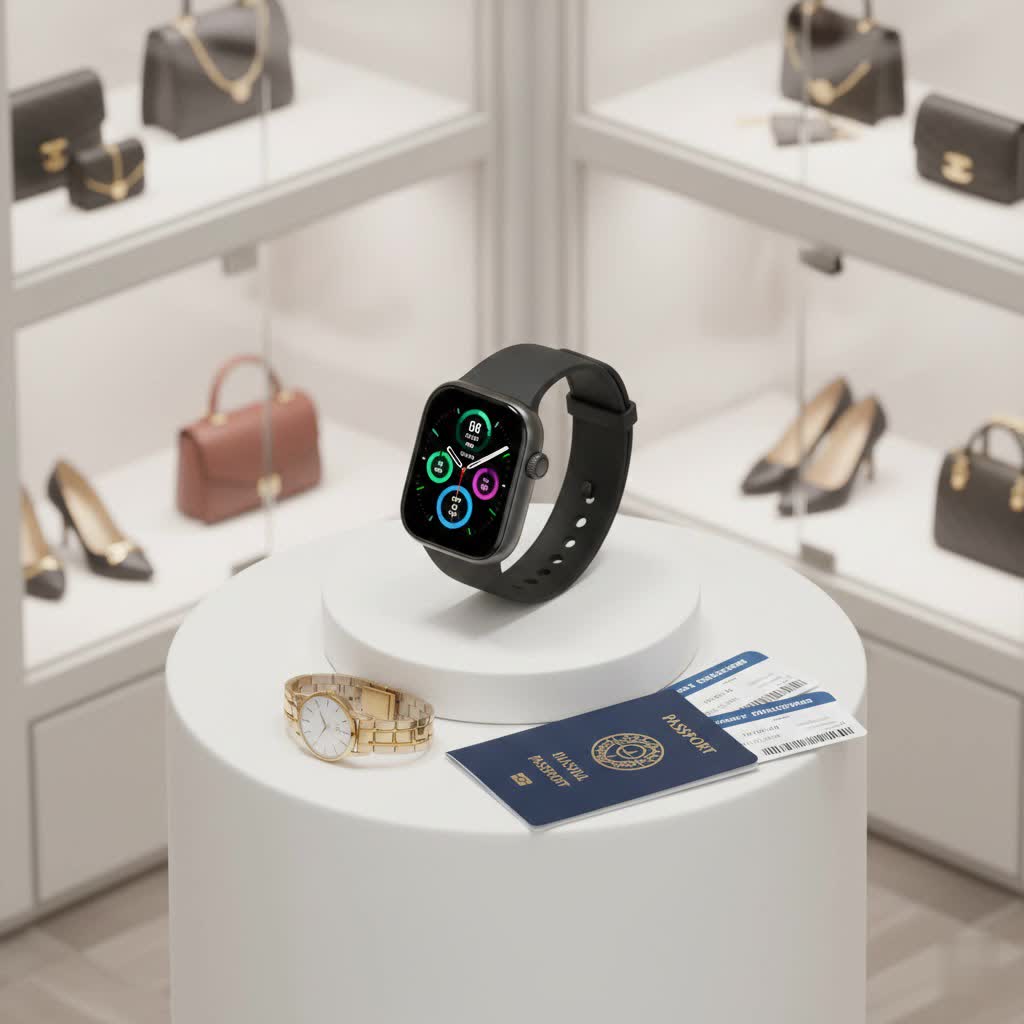
Smart Watch: An Overview of the Market
|
Our Picks for the Best Smart Watch in 2026
As an Amazon Associate I earn from qualifying purchases.
|
||
| Num | Product | Action |
|---|---|---|
| 1 | Apple Watch Series 11 [GPS 46mm] Smartwatch with Jet Black Aluminum Case with Black Sport Band - M/L. Sleep Score, Fitness Tracker, Health Monitoring, Always-On Display, Water Resistant |
![Check Apple Watch Series 11 [GPS 46mm] Smartwatch with Jet Black Aluminum Case with Black Sport Band - M/L. Sleep Score, Fitness Tracker, Health Monitoring, Always-On Display, Water Resistant on Amazon](https://reviewgiare.com/wp-content/plugins/amazon-tables/assets/images/buy.png)
|
| 2 | Smart Watch with Alexa Built-in, 1.83" HD Touchscreen Fitness Tracker with Bluetooth Calling, Fitness Watch with Heart Rate/Sleep Monitor, 120+ Sports Modes, IP68 Waterproof Smartwatch for Android iOS |
|
| 3 | Green and Red Reindeer Silicone Smart Watch Band with Ornament |
|
| 4 | Apple Watch Series 11 [GPS 42mm] Smartwatch with Rose Gold Aluminum Case with Light Blush Sport Band - S/M. Sleep Score, Fitness Tracker, Health Monitoring, Always-On Display, Water Resistant |
|
| 5 | IOWODO Military Smart Watch for Men -100-Day Long Battery Life,Fitness Tracker with LED Flashlight/Compass,Heart Rate Monitor,120+ Sports Modes,IP68 Waterproof,Bluetooth Call Smartwatch for iOSAndroid |
|
| 6 | Fitbit Charge 6 Fitness Tracker with Google apps, Heart Rate on Exercise Equipment, 6-Months Premium Membership Included, GPS, Health Tools and More, Obsidian/Black, One Size (S & L Bands Included) |
|
| 7 | Smart Watch for Men Women, 2026 New Smartwatch(Answer/Make Call) , 1.91" Fitness Watch with 120+ Sport Modes, Fitness Tracke with Pedometer/Sleep Monitor/Heart Rate/IP68, for Android/iPhone Black |
|
| 8 | Smart Fitness Tracker with Step Counter - Bluetooth Calling & 100+ Exercise Modes for Health Monitoring - Perfect for Fitness Lovers and Runners |
|
| 9 | Smart Watch for Men, 120 Sports Modes Smartwatch with 1.83" HD Touchsreen, IP67 Waterproof, Sleep Monitor, Bluetooth Call & Music Control Fitness Watch for Android/iPhone (Black) |
|
| 10 | Smart Watch for Women Men Answer/Make Call,1.85" HD Screen Fitness Tracker with Step Counter,140+ Sport Modes Smartwatch with Heart Rate Sleep Monitor,IP68 Waterproof Activity Tracker for Android iOS |
|
At its core, a smart watch is a wearable computer in the form of a wrist watch. Beyond telling time, these devices connect to your smartphone to deliver notifications, track your fitness, monitor your health, and even facilitate payments or calls directly from your wrist. The market has evolved significantly, moving from basic pedometers to sophisticated health-tracking devices that can measure heart rate, blood oxygen (SpO2), and even perform an electrocardiogram (ECG).
Today’s smart watch market is dominated by several key players, each offering unique ecosystems and strengths. Apple, with its Watch Series and Ultra models, leads the premium segment, especially for iPhone users. Samsung’s Galaxy Watch series is a strong contender for Android users, running on Wear OS. Garmin specializes in robust sports and outdoor watches, while Google’s Pixel Watch offers a sleek design and deep integration with Android services. Other notable brands like Amazfit and Fitbit provide excellent budget-friendly and fitness-focused options. Smart watches can generally be categorized by their primary purpose: dedicated fitness trackers, comprehensive health monitors, stylish fashion accessories, or communication hubs.
Essential Criteria When Choosing Your Smart Watch In-Store
Visiting a physical store to buy a smart watch offers distinct advantages. You can try on different models, assess screen clarity, and speak with sales associates about compatibility and features. Here are the crucial criteria to consider during your in-person shopping experience:
- Design and Fit: The aesthetic and comfort are paramount since you’ll wear it daily. Smart watches come in various materials, including aluminum, stainless steel, titanium, and even ceramic, with different finishes and strap options (silicone, leather, metal). Consider the size and shape of the watch face – do you prefer a classic round display or a modern square one? Ensure the watch fits comfortably on your wrist; trying it on allows you to check for weight distribution and strap irritation. Look for water and dust resistance ratings, especially if you plan to use it during workouts or swimming.
- Display Quality: The screen is your primary interface. Smart watches commonly feature AMOLED or LCD displays. AMOLED screens offer vibrant colors, deep blacks, and excellent contrast, often enabling an “Always-on display” feature that shows basic information without fully waking the watch. Check the resolution and brightness to ensure readability in various lighting conditions, including bright sunlight.
- Essential Features: Modern smart watches are packed with capabilities. Prioritize features that align with your lifestyle.
- Health Tracking: Most smart watches track heart rate, sleep patterns, and steps. More advanced models offer SpO2 monitoring, ECG capabilities, and even skin temperature tracking. Some include fall detection or emergency SOS features, which are vital for older users or those engaging in high-risk activities.
- Fitness Tracking: Built-in GPS is crucial for accurately tracking outdoor runs, walks, and cycling without needing your phone. Look for a wide array of sports modes and performance metrics if you’re a dedicated athlete.
- Notifications and Communication: All smart watches deliver notifications for calls, messages, and apps. Many allow you to answer calls directly from your wrist, and some even offer LTE cellular connectivity, enabling full smartphone independence.
- Convenience Features: Contactless payments (NFC), music storage and control, and integrated voice assistants (Siri, Google Assistant, Alexa) add significant convenience to your daily routine.
- Performance and Battery Life: A smooth user experience relies on a capable processor and sufficient RAM. Test the responsiveness of the interface in-store. Battery life varies drastically; high-end smart watches like the Apple Watch might last 18-36 hours, while some fitness-focused models from Garmin or Amazfit can last several days or even weeks on a single charge. Consider your usage patterns and how often you’re willing to charge. Fast charging capabilities can also be a significant advantage.
- Operating System and Compatibility: The smart watch’s operating system determines its app ecosystem and how well it integrates with your smartphone. Apple Watches run watchOS and are exclusively compatible with iPhones. Many Android-compatible smart watches run Google’s Wear OS (found on Pixel Watch and Samsung Galaxy Watch models), while brands like Garmin, Amazfit, and Huawei use their proprietary operating systems. Ensure the smart watch you choose is fully compatible with your existing smartphone for the best experience.
Comparing Smart Watch Price Segments
Smart watches are available across a wide range of price points, catering to different budgets and feature requirements. Understanding these segments can help you narrow down your choices when shopping near you.
- Budget-Friendly (Under $150): This segment offers basic smart watch functionalities and fitness tracking features at an accessible price. You’ll typically find brands like Xiaomi Mi Band, Huawei Band, and Amazfit Bip series here. While they might lack advanced health sensors or premium materials, they are excellent for step counting, basic notifications, and often boast impressive battery life.
- Mid-Range ($150-$350): Moving up, this category provides a good balance of features and value. Devices like the Samsung Galaxy Watch FE and certain Fitbit Versa models fall into this bracket. You can expect better build quality, more comprehensive health and fitness tracking, and a wider range of smart features, including GPS and sometimes NFC for payments. The performance is generally more robust, offering a smoother user experience.
- Premium (Over $350): This segment includes flagship models from Apple (Apple Watch Series, Ultra), Garmin (Fenix, Epix), and Google (Pixel Watch). These smart watches offer the most advanced health sensors, sophisticated fitness tracking with detailed metrics, top-tier build materials, vibrant AMOLED displays, and seamless integration with their respective ecosystems. They also tend to have the most powerful processors, extensive app support, and often cellular connectivity options.
Detailed Comparison of Noteworthy Smart Watch Models
To help you visualize the differences, here’s a comparison of some popular smart watch models you might encounter in stores:
| Criteria | Apple Watch Series 11 | Samsung Galaxy Watch 8 | Garmin Venu 3 | Amazfit Active 2 / Bip 6 |
|---|---|---|---|---|
| Price Segment | Premium | Mid-range to Premium | Premium (fitness-focused) | Budget-Friendly |
| Design | Elegant, square, multiple finishes | Modern, round, customizable | Sporty yet stylish, round | Lightweight, casual |
| Key Features | Comprehensive health (ECG, SpO2, temp), robust apps, seamless iOS integration | Advanced health, Wear OS, Android integration | Advanced GPS, extensive sports modes, long battery, body battery | Basic health/fitness, notifications, excellent battery |
| Battery Life | ~18-36 hours (typical use) | ~40-50 hours (typical use) | ~7-9 days (smartwatch mode) | ~10-14 days (typical use) |
| Operating System | watchOS | Wear OS (with One UI Watch) | Garmin OS | Zepp OS / Proprietary |
| Compatibility | iOS only | Android (best with Samsung) | iOS & Android | iOS & Android |
(Note: Specifications and models are subject to change with new releases. Check the latest models and features at your local retailer.)
Where to Buy a Smart Watch Near You
When you’re ready to make a purchase, knowing where to find smart watches “near me” is key. Physical stores offer the invaluable opportunity to try on devices and get personalized advice.
- Major Electronics Retailers: Stores like Best Buy, Walmart, and Target are excellent starting points. They typically stock a wide range of brands and models across different price points, allowing for direct comparison. Sales associates can often guide you through features and compatibility.
- Brand-Specific Stores: If you have a specific brand in mind, such as Apple or Samsung, visiting their dedicated retail stores (e.g., Apple Store, Samsung Experience Store) can offer the most in-depth experience. You’ll find the full range of their products, expert staff, and often dedicated service options.
- Mobile Carrier Stores: Retailers like T-Mobile often carry smart watches, particularly those with cellular connectivity, and can help you add a device to your existing mobile plan.
Before heading out, it’s a good idea to check the store’s website for current stock and pricing. Many retailers offer online inventory checks or “buy online, pick up in-store” options, combining the convenience of online browsing with the benefits of in-person pickup. Trying on different models and feeling the weight and materials on your wrist is crucial for long-term satisfaction.
Tips for Using and Maintaining Your Smart Watch
Once you’ve found your ideal smart watch, proper usage and maintenance will ensure its longevity and optimal performance.
- Charge Smartly: Avoid completely draining the battery frequently. Most modern smart watches benefit from topping up regularly.
- Regular Cleaning: Sweat, dirt, and daily grime can accumulate. Gently clean your watch and strap with a soft, damp cloth. For waterproof models, a quick rinse after strenuous exercise or exposure to saltwater is advisable.
- Protect from Impact: While many smart watches are durable, avoiding unnecessary bumps and drops will prevent cosmetic damage and potential internal issues. Consider screen protectors or cases if you’re particularly active.
- Stay Updated: Manufacturers frequently release software updates that improve performance, add new features, and patch security vulnerabilities. Ensure your smart watch’s software is always up to date.
- Efficient Feature Use: Optimize settings to extend battery life. For instance, turn off features like Always-on display or continuous heart rate monitoring if not needed, or adjust notification frequency to conserve power.
Conclusion
Finding the perfect smart watch “near me” involves understanding your needs, researching available models, and taking advantage of the in-store experience. By considering design, display quality, essential features, performance, battery life, and compatibility, you can confidently choose a device that seamlessly integrates into your daily life and enhances your well-being. Whether you prioritize fitness tracking, health monitoring, or simply staying connected, a smart watch offers unparalleled convenience right on your wrist. So, what features are you most excited to explore in your next smart watch?
Frequently Asked Questions
What are the benefits of buying a smart watch in a physical store?
Buying a smart watch in a physical store allows you to try on different models, assess their look and feel on your wrist, and compare screen quality directly. You can also receive personalized advice from sales associates regarding features, compatibility, and setup, ensuring you make the best choice for your needs.
How do I check smart watch compatibility with my phone?
Most smart watches are designed for specific phone operating systems. Apple Watches are exclusive to iPhones (iOS). Many Android-compatible smart watches run Wear OS (e.g., Samsung Galaxy Watch, Google Pixel Watch), while others like Garmin work with both iOS and Android. Always check the product specifications or ask a sales associate to confirm compatibility before purchasing.
What’s the difference between a smart watch and a fitness tracker?
A smart watch typically offers a broader range of functionalities, including full smartphone integration (notifications, calls, apps), extensive health monitoring (ECG, SpO2), and advanced features like NFC payments. A fitness tracker, on the other hand, usually focuses primarily on activity and health tracking (steps, heart rate, sleep) with more limited “smart” features and often a simpler display.
How long should a smart watch battery last?
Smart watch battery life varies significantly by model and usage. High-end smart watches with comprehensive features and vibrant displays (like Apple Watch) often last 18-36 hours. Fitness-focused smart watches (like some Garmin or Amazfit models) can extend battery life to several days or even weeks by prioritizing efficiency and using simpler displays.
Are smart watches waterproof?
Many smart watches are water-resistant, meaning they can withstand splashes, rain, or even swimming for a certain depth and duration, often specified in ATM (atmospheres) or meters. However, not all are suitable for deep diving or prolonged water exposure. Always check the specific water resistance rating of the model you are interested in if you plan to use it in water.
Which brands offer the best value for money in smart watches?
Value for money depends on your priorities. For budget-conscious buyers, brands like Amazfit and Xiaomi offer excellent features for their price point, focusing on core smart watch and fitness functions. In the mid-range, Samsung and Fitbit often provide a great balance of features, design, and performance without the premium cost of top-tier models.
