In an era where technology seamlessly integrates into every aspect of our lives, the smartwatch has evolved from a simple gadget to an indispensable companion. For those who demand more – more durability, more features, and more stamina – the “Ultra Smartwatch” category has emerged as the pinnacle of wearable innovation. These devices are not just about telling time; they are rugged adventurers, sophisticated health monitors, and powerful communication hubs designed to withstand the extremes of daily life and beyond. This comprehensive guide will navigate the complex world of ultra smartwatches, helping you understand their core features, compare top models, and make an informed decision to find the perfect high-performance wearable for your needs.
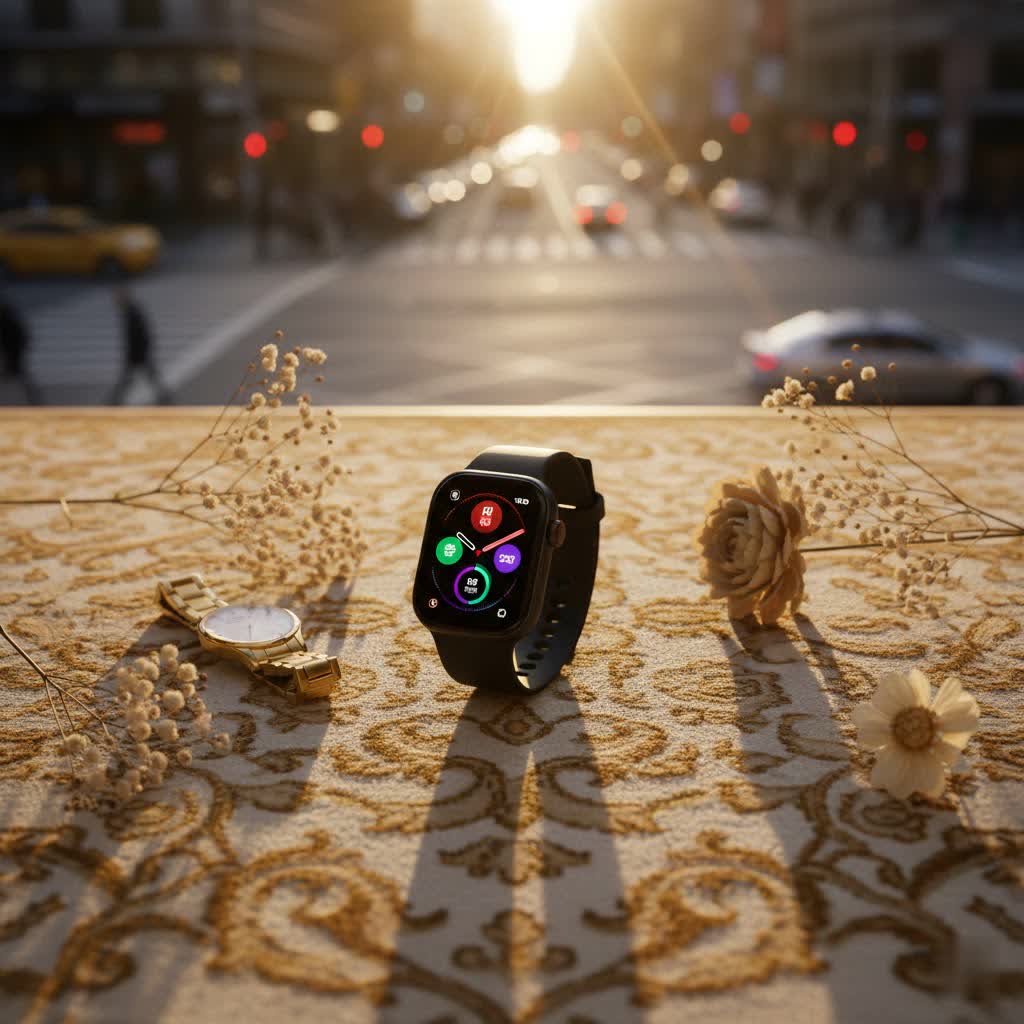
What is an Ultra Smartwatch? An Overview of the High-Performance Market
An Ultra Smartwatch represents the elite tier of smart wearable technology, distinguished by its enhanced durability, extended battery life, and an advanced suite of features tailored for demanding users. Unlike standard smartwatches, which prioritize everyday convenience and aesthetic appeal, Ultra models are built to excel in challenging environments, catering to outdoor enthusiasts, serious athletes, and professionals who require uncompromising performance.
The market for ultra smartwatches has seen significant growth, driven by technological advancements and consumer demand for more robust and capable devices. Leading the charge are established tech giants and specialized sports brands. Apple, with its Apple Watch Ultra series, and Samsung, with its Galaxy Watch Ultra, are prominent players, bringing their extensive ecosystems and design prowess to the rugged segment. Specialized brands like Garmin, known for their outdoor and fitness-focused devices such as the Fenix series, also offer “ultra-tier” smartwatches that compete strongly in terms of endurance and specialized metrics. Other brands like Xiaomi and Huawei also offer models in various segments, though the “Ultra” branding is most strongly associated with the premium, highly durable offerings from Apple and Samsung.
These devices are typically categorized by their purpose:
- Sports & Adventure: Equipped with advanced GPS, comprehensive activity tracking, extreme water resistance, and robust build materials for activities like hiking, diving, and endurance sports.
- Health & Wellness: Featuring sophisticated sensors for in-depth health monitoring, including advanced heart rate tracking, ECG, SpO2, and sometimes unique metrics like body composition or functional threshold power.
- Fashion & Lifestyle: While highly functional, some ultra smartwatches also incorporate premium materials and refined designs, making them suitable for everyday wear while still offering superior performance.
|
Our Picks for the Best Smart Watch in 2026
As an Amazon Associate I earn from qualifying purchases.
|
||
| Num | Product | Action |
|---|---|---|
| 1 | Smart Watch for Men Women, 2026 New Smartwatch(Answer/Make Call) , 1.91" Fitness Watch with 120+ Sport Modes, Fitness Tracke with Pedometer/Sleep Monitor/Heart Rate/IP68, for Android/iPhone Black |

|
| 2 | Apple Watch Series 11 [GPS 42mm] Smartwatch with Rose Gold Aluminum Case with Light Blush Sport Band - S/M. Sleep Score, Fitness Tracker, Health Monitoring, Always-On Display, Water Resistant |
|
| 3 | Smart Watch for Women Men Answer/Make Call,1.85" HD Screen Fitness Tracker with Step Counter,140+ Sport Modes Smartwatch with Heart Rate Sleep Monitor,IP68 Waterproof Activity Tracker for Android iOS |
|
| 4 | Green and Red Reindeer Silicone Smart Watch Band with Ornament |
|
| 5 | Apple Watch Series 11 [GPS 46mm] Smartwatch with Jet Black Aluminum Case with Black Sport Band - M/L. Sleep Score, Fitness Tracker, Health Monitoring, Always-On Display, Water Resistant |
|
| 6 | Fitbit Charge 6 Fitness Tracker with Google apps, Heart Rate on Exercise Equipment, 6-Months Premium Membership Included, GPS, Health Tools and More, Obsidian/Black, One Size (S & L Bands Included) |
|
| 7 | Smart Watch for Men, 120 Sports Modes Smartwatch with 1.83" HD Touchsreen, IP67 Waterproof, Sleep Monitor, Bluetooth Call & Music Control Fitness Watch for Android/iPhone (Black) |
|
| 8 | Smart Fitness Tracker with Step Counter - Bluetooth Calling & 100+ Exercise Modes for Health Monitoring - Perfect for Fitness Lovers and Runners |
|
| 9 | Smart Watch with Alexa Built-in, 1.83" HD Touchscreen Fitness Tracker with Bluetooth Calling, Fitness Watch with Heart Rate/Sleep Monitor, 120+ Sports Modes, IP68 Waterproof Smartwatch for Android iOS |
|
| 10 | IOWODO Military Smart Watch for Men -100-Day Long Battery Life,Fitness Tracker with LED Flashlight/Compass,Heart Rate Monitor,120+ Sports Modes,IP68 Waterproof,Bluetooth Call Smartwatch for iOSAndroid |
|
The history of the smartwatch, from early digital watches to today’s sophisticated wearables, has paved the way for these ultra-capable devices. They integrate years of miniaturization, sensor development, and software optimization into a single, powerful wrist-worn computer.
Key Criteria for Choosing the Perfect Ultra Smartwatch
Selecting an ultra smartwatch involves considering several critical factors that differentiate these high-performance devices from their standard counterparts.
Design and Durability:
- Materials: Ultra smartwatches typically feature premium, resilient materials like titanium, ceramic, or stainless steel for the case, and sapphire crystal or Gorilla Glass for the display. These materials offer superior scratch and impact resistance.
- Size and Fit: They tend to be larger and heavier than standard smartwatches due to their robust construction and larger batteries. Consider wrist size and comfort for prolonged wear, including sleep tracking.
- Strap Options: Bands often come in durable silicone, nylon, or specialized materials designed for specific activities (e.g., oceanic bands for diving).
- Water and Dust Resistance: A hallmark of ultra smartwatches is superior water resistance, often rated at 10 ATM (100 meters) or higher, making them suitable for swimming, diving, and extreme water sports. They are also typically IP68 dust resistant and tested to military standards (MIL-STD-810H) for shock and temperature swings.
Display:
- Technology: AMOLED or Retina OLED displays are common, offering vibrant colors and deep blacks.
- Resolution and Brightness: High resolution ensures crisp visuals, while exceptional brightness (e.g., up to 3000 nits on some models) guarantees readability even in direct sunlight.
- Size: Larger displays improve data visibility and interaction, especially for detailed maps or health metrics.
- Always-on Display (AOD): Many ultra smartwatches offer AOD, allowing you to glance at information without fully waking the screen.
Features:
- Health Tracking: Advanced heart rate monitoring, SpO2 (blood oxygen), ECG (electrocardiogram), sleep tracking (including sleep stages), skin temperature, and in some cases, blood pressure monitoring (with caveats) or body composition analysis. Specialized features like hypertension notifications may be present.
- Fitness Tracking: Comprehensive multi-sport modes (100+ activities), advanced GPS (dual-band L1+L5 for superior accuracy), altimeter, compass, and specialized metrics like Functional Threshold Power (FTP) for cyclists, or dive computer functions for divers (e.g., Oceanic+ app on Apple Watch Ultra).
- Smart Features: Call and text notifications, direct calling (via LTE), mobile payments (NFC), music control, voice assistants, and access to a wide range of third-party apps. Some even offer satellite SOS for off-grid communication.
- Other: Emergency sirens, customizable action buttons, and unique gesture controls (e.g., double pinch, wrist flick).
Performance and Battery Life:
- Processor and RAM: Powerful processors (e.g., Apple S10, Snapdragon W5, Exynos W1000) and ample RAM ensure smooth navigation and app performance.
- Internal Storage: More storage (e.g., 32GB to 64GB) allows for offline music, maps, and apps.
- Battery Duration: This is a major differentiator. Ultra smartwatches boast significantly longer battery life than standard models, ranging from 48 hours to several days (e.g., up to 100 hours in power-saving modes for Samsung, 42-72 hours for Apple). Real-world usage with AOD and GPS can impact these figures.
- Charging: Fast charging capabilities are increasingly common, allowing for quick top-ups.
Operating System:
- watchOS (Apple): Known for its intuitive interface, seamless integration with the Apple ecosystem, and vast app store. Exclusively for iPhones.
- Wear OS (Google/Samsung): Offers strong Android compatibility, Google services integration (Maps, Assistant, Pay), and a growing app library. Samsung’s One UI Watch customizes Wear OS.
- Garmin OS (Garmin): Highly specialized for fitness and outdoor activities, with extensive data metrics, mapping capabilities, and long battery life. Works with both iOS and Android but focuses less on “smart” features beyond notifications.
- Proprietary OS (Xiaomi, Huawei): Offer basic smart features and health tracking, often with impressive battery life, but typically have a smaller app ecosystem.
Compatibility:
- Phone OS: Ensure the smartwatch is compatible with your smartphone’s operating system (iOS or Android). Apple Watches only work with iPhones, while Wear OS and Garmin watches are generally compatible with both.
- Connectivity: Bluetooth, Wi-Fi, NFC, and optional LTE for cellular independence are standard.
Comparing Price Segments for Ultra Smartwatches
Ultra smartwatches typically fall into mid-to-high price brackets, reflecting their advanced technology, robust construction, and premium features.
Budget-Friendly / Entry-Level Ultra (Under $300):
- Pros: More affordable, offer basic health and fitness tracking, and a taste of enhanced durability compared to very cheap smartwatches.
- Cons: May lack advanced sensors, premium materials, powerful processors, or extensive app ecosystems. Battery life may be better than standard watches but not as exceptional as high-end ultras.
- Examples: Some advanced fitness trackers or select budget “Ultra” branded smartwatches (though quality varies widely in this segment, especially with generic branding like “i20 Ultra” or “T800 Ultra”).
Mid-Range Ultra ( $300 – $700):
- Pros: Full suite of smart features, good build quality, respectable battery life, and often a balance between advanced functionality and cost. Many core health and fitness tracking features are present.
- Cons: May not have the absolute best materials (e.g., aluminum instead of titanium), maximum brightness levels, or specialized extreme-sport features found in top-tier models.
- Examples: Samsung Galaxy Watch models (excluding the “Ultra” variant, or slightly older generations), some Fitbit Versa models (more fitness-focused), or higher-end offerings from brands like OnePlus.
Premium / High-End Ultra (Over $700):
- Pros: Top-tier design with premium materials (titanium, sapphire), industry-leading displays (e.g., 3000 nits brightness), the most advanced health and fitness sensors, exceptional battery life, and often unique connectivity options (e.g., satellite SOS, 5G). These are typically the most durable and feature-rich options.
- Cons: Very high price point, often larger and bulkier designs that might not suit all users.
- Examples: Apple Watch Ultra (Series 2, 3), Samsung Galaxy Watch Ultra, Garmin Fenix series, Garmin Epix Pro.
Detailed Comparison of Notable Ultra Smartwatch Models (2025-2026 Trends)
| Criterion | Apple Watch Ultra 3 | Samsung Galaxy Watch Ultra | Garmin Fenix 8 AMOLED | OnePlus Watch 3 |
|---|---|---|---|---|
| Price Segment | Premium (Highest) | Premium | Ultra-Premium (Specialized) | Mid-range |
| Design | Rugged titanium, minimal bezels, large Retina OLED | Rugged titanium, sapphire glass, distinctive squared-off design | Extremely rugged, stainless steel/titanium, sapphire/Gorilla Glass | Bold, chunky titanium alloy, rotating crown, AMOLED |
| Display | 1.9″ LTPO3 OLED, up to 3000 nits, always-on | 1.5″ Super AMOLED, 3000 nits, always-on | AMOLED (sizes vary), bright, always-on | AMOLED, vivid, round |
| Key Features | Advanced health (ECG, SpO2, temp, hypertension alerts), satellite SOS, 5G, dive computer (Oceanic+), Action Button, S10 chip, dual-band GPS | Comprehensive health (ECG, SpO2, temp), multi-sports tile, FTP for cycling, emergency siren, Wear OS 5 with One UI 6, dual-band GPS | 100+ activities, dual-band GPS, solar charging (select models), offline maps, training metrics, flashlight, Elevate V5 HR sensor | Wear OS 5, dual-chip architecture, enhanced health, “360 Mind and Body,” improved GPS |
| Battery Life | 42 hours (normal), up to 72 hours (low power mode), 30 hours (AOD active) | 48-100 hours (with power-saving), 1.9-2.5 days (real-world), 590mAh | 7-9 days (smartwatch mode), much longer with solar/GPS modes | Up to 120 hours (5 days), dual-chip for efficiency |
| Operating System | watchOS 26 | Wear OS 5 (with One UI Watch 6) | Garmin OS | Wear OS 5 |
| Compatibility | iOS Only | Android Only | iOS & Android | Android Only |
| Water Resistance | 100m, dive-ready | 10 ATM (100m), MIL-STD-810H | 10 ATM (100m) | 5 ATM (50m) |
| Storage | 32GB | 64GB (newer models), 32GB (older Ultra) | Varies | Varies |
| Special Note | Best for iPhone users, unparalleled ecosystem integration, focus on safety and adventure. | Best for Samsung/Android users, robust, versatile, competitive ecosystem. | Ultimate for athletes/adventurers, superior battery for endurance, detailed sports analytics. | Strong battery life for Wear OS, unique design, good value. |
(Note: Specifications and release dates are based on reported information for 2025-2026 models and market trends.)
Where to Purchase a Reputable Ultra Smartwatch
When investing in an ultra smartwatch, it’s crucial to buy from authorized and reputable sources to ensure authenticity, warranty, and reliable after-sales support.
- Official Brand Stores: Apple Stores, Samsung Experience Stores, Garmin’s official website. These offer the direct-from-manufacturer experience and support.
- Major Electronics Retailers: Stores like Best Buy, Target, Currys PC World, or local equivalents (e.g., Thế Giới Di Động, Điện Máy Xanh in Vietnam). These often have competitive pricing, diverse stock, and clear return/warranty policies.
- Authorized Online Retailers: Amazon, B&H Photo, or other established online tech retailers that are certified resellers of the brands. Be wary of unofficial sellers on these platforms.
- E-commerce Marketplaces: While platforms like Shopee, Lazada, or Tiki can offer deals, exercise caution. Verify seller reputation, read reviews, and confirm warranty details before purchasing, especially for higher-priced items.
Always prioritize retailers with transparent warranty, return, and repair policies to protect your investment.
Tips for Using and Maintaining Your Ultra Smartwatch
To maximize the lifespan and performance of your ultra smartwatch, proper usage and maintenance are essential.
- Charge Correctly: Use the original charger and cable, or a certified compatible alternative. Avoid extreme charging environments. While fast charging is convenient, routinely draining the battery to 0% can impact its long-term health.
- Regular Cleaning: Regularly clean the watch case, display, and especially the sensors on the back to ensure accurate health tracking. Use a soft, lint-free cloth, and for water-resistant watches, a gentle rinse with fresh water after exposure to saltwater or sweat is recommended.
- Protect from Impact: Despite their rugged build, excessive drops or impacts can still damage the device. Consider screen protectors or cases for added peace of mind, especially during high-risk activities.
- Keep Software Updated: Install software updates regularly. These often bring performance improvements, new features, security patches, and bug fixes that optimize battery life and functionality.
- Optimize Features: Understand which features consume the most battery (e.g., GPS, Always-on Display, cellular connectivity). Disable unnecessary features when not in use to extend battery life.
- Strap Care: Clean watch straps regularly, especially if made of silicone or fabric, to prevent skin irritation and odor. Replace worn or damaged straps to maintain a secure fit.
- Understand Water Resistance: While highly water-resistant, ultra smartwatches are not impervious to all liquid threats. Avoid exposing them to high-pressure water jets, harsh chemicals, or extreme temperature changes rapidly, as these can compromise seals over time.
Conclusion
Ultra smartwatches represent a significant leap in wearable technology, offering unparalleled durability, advanced features, and extended battery life for those who demand the best. Whether you’re a serious adventurer, a dedicated athlete, or simply seeking a robust and feature-rich everyday companion, there’s an ultra smartwatch designed to meet your needs. By carefully considering factors like design, features, performance, and compatibility, and by choosing a reputable vendor, you can confidently invest in a device that not only tracks your every move but also empowers your lifestyle. Which ultra smartwatch will elevate your experience and help you conquer your next challenge?
Frequently Asked Questions
What makes an “Ultra” smartwatch different from a regular smartwatch?
Ultra smartwatches are distinguished by enhanced durability (often titanium, sapphire glass, high water resistance), significantly longer battery life, and a more comprehensive suite of advanced health, fitness, and navigation features tailored for demanding environments and active lifestyles.
Are ultra smartwatches compatible with both iPhone and Android?
Compatibility varies by brand. Apple Watch Ultra models are exclusively compatible with iPhones. Samsung Galaxy Watch Ultra and many Garmin Fenix models are compatible with both Android and iOS devices, though specific features might be optimized for one ecosystem.
Can I really take an ultra smartwatch diving?
Yes, many premium ultra smartwatches, like the Apple Watch Ultra and certain Garmin Fenix models, boast high water resistance ratings (e.g., 100 meters/10 ATM) and even offer specialized dive computer functionality through dedicated apps, making them suitable for recreational scuba diving.
How long does the battery typically last on an ultra smartwatch?
Battery life is a key advantage, often ranging from 2 days to over a week in normal usage, and significantly longer in low-power or expedition modes. This is a substantial improvement over standard smartwatches, which often require daily charging.
Are ultra smartwatches too bulky for everyday wear?
While generally larger and heavier due to their robust construction and bigger batteries, the perception of bulkiness is subjective. Many users find the enhanced durability and functionality outweigh the size, and modern designs aim to balance ruggedness with aesthetic appeal.
Do all ultra smartwatches have GPS for tracking outdoor activities?
Yes, GPS is a standard and often advanced feature in ultra smartwatches. Many models include dual-band GPS (L1+L5) for superior accuracy, making them highly reliable for tracking routes, distances, and pace during outdoor sports and navigation.
Is the “Action Button” on some ultra smartwatches truly useful?
The customizable Action Button, found on watches like the Apple Watch Ultra, is highly useful for quick access to frequently used functions like starting a workout, marking a compass waypoint, or activating a flashlight, improving convenience and accessibility during activities.
